
Navigating GLP-1s and Pancreatitis: What You Need to Know
In the rapidly evolving landscape of weight management and diabetes care, GLP-1 medications like Ozempic, Wegovy, Mounjaro, and Zepbound have become game-changers. But with their rise in popularity comes important questions about potential side effects. One that frequently surfaces is the link between GLP-1s and pancreatitis.
Let's cut through the noise and provide a clear, up-to-date understanding of this important topic as of early 2026.
The Bottom Line Up Front
It's crucial to understand that while the risk of developing pancreatitis while on a GLP-1 medication is considered very small, it is a recognized and potentially serious side effect. Regulatory bodies worldwide are continuously monitoring and updating guidance to keep patients safe.
Latest Safety Updates (January 2026)
Medical transparency is key to patient safety. Just this month, on January 29, 2026, the UK's Medicines and Healthcare products Regulatory Agency (MHRA) issued an important update for patients and prescribers.
According to the MHRA's latest guidance, while occurrences are rare, there have been reports of severe, necrotizing, and even fatal pancreatitis associated with GLP-1 and GIP receptor agonists.
To put this into perspective, the data shows that between 2007 and late 2025 in the UK, approximately 1,300 cases of pancreatitis were reported in connection with these drugs. While that number is serious, it occurred out of an estimated 25.4 million packs dispensed. This confirms that while the risk is real, the statistical likelihood for the average user remains low.
Why Is It So Hard to Pinpoint the Cause?
Determining the exact cause of pancreatitis in these patients can be complex:
- Weight Loss Factor: GLP-1s are highly effective for weight loss. However, rapid weight loss itself is a known risk factor for developing gallstones, which are a leading cause of pancreatitis. This can make it difficult to determine if the medication or the resulting weight loss is the primary trigger.
- Conflicting Data: While some clinical trials suggested a minor increase in risk, many large-scale "real-world" studies have found no statistically significant difference in pancreatitis risk when comparing GLP-1 users to those on other diabetes treatments.
- Genetic Factors: Researchers are currently investigating if genetics play a role. Initiatives like the Yellow Card Biobank are studying whether certain individuals have a genetic predisposition that makes them more susceptible to this specific side effect.
Warning Signs: What to Look For
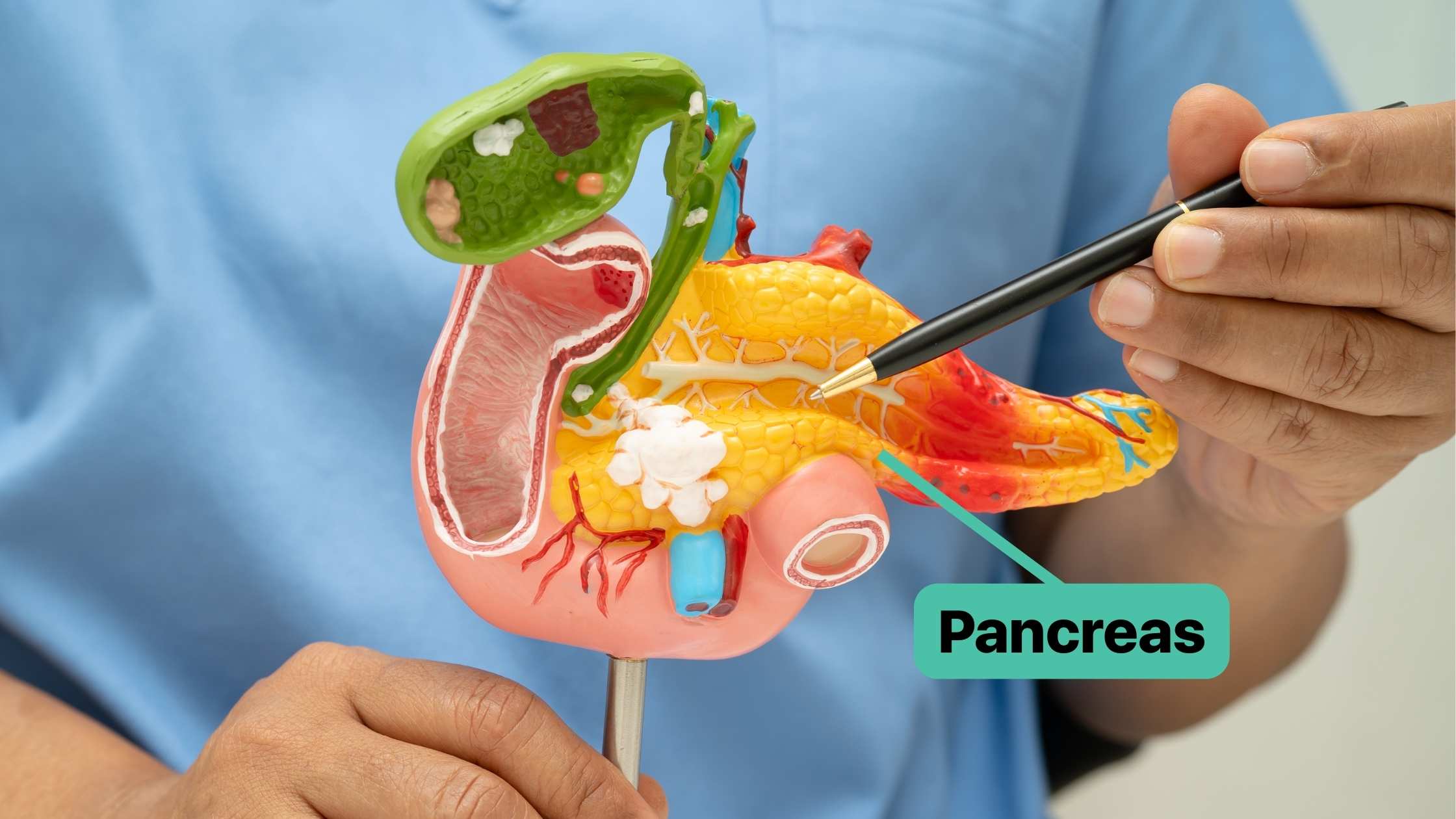
Pancreatitis is an inflammation of the pancreas, a gland located behind your stomach. Recognizing the warning signs early is critical.
Seek immediate medical attention if you experience:
- Severe, persistent abdominal pain, typically felt in the upper-middle part of your abdomen.
- Pain that radiates through to your back.
- Pain that is accompanied by nausea or vomiting.

The Takeaway
If you are currently taking a GLP-1 medication and experience any symptoms of pancreatitis, contact your healthcare provider immediately. Current medical guidance generally recommends discontinuing the drug if pancreatitis is diagnosed.
GLP-1s offer significant benefits for many individuals living with type 2 diabetes and obesity. Like all medications, they come with potential risks. The key is to have an open conversation with your doctor about your personal health history to balance the benefits against the risks.
Ready to see if GLP-1s could be right for you?
GLP-1 medications can be a powerful tool for those who are on a weight loss journey. Click here to see if you qualify for GLP-1s through GobyMeds.
Sources:
Disclaimer: This blog post provides general information and does not constitute medical advice. Always consult with a qualified healthcare professional for any health concerns or before making any decisions related to your health or treatment.




.svg)