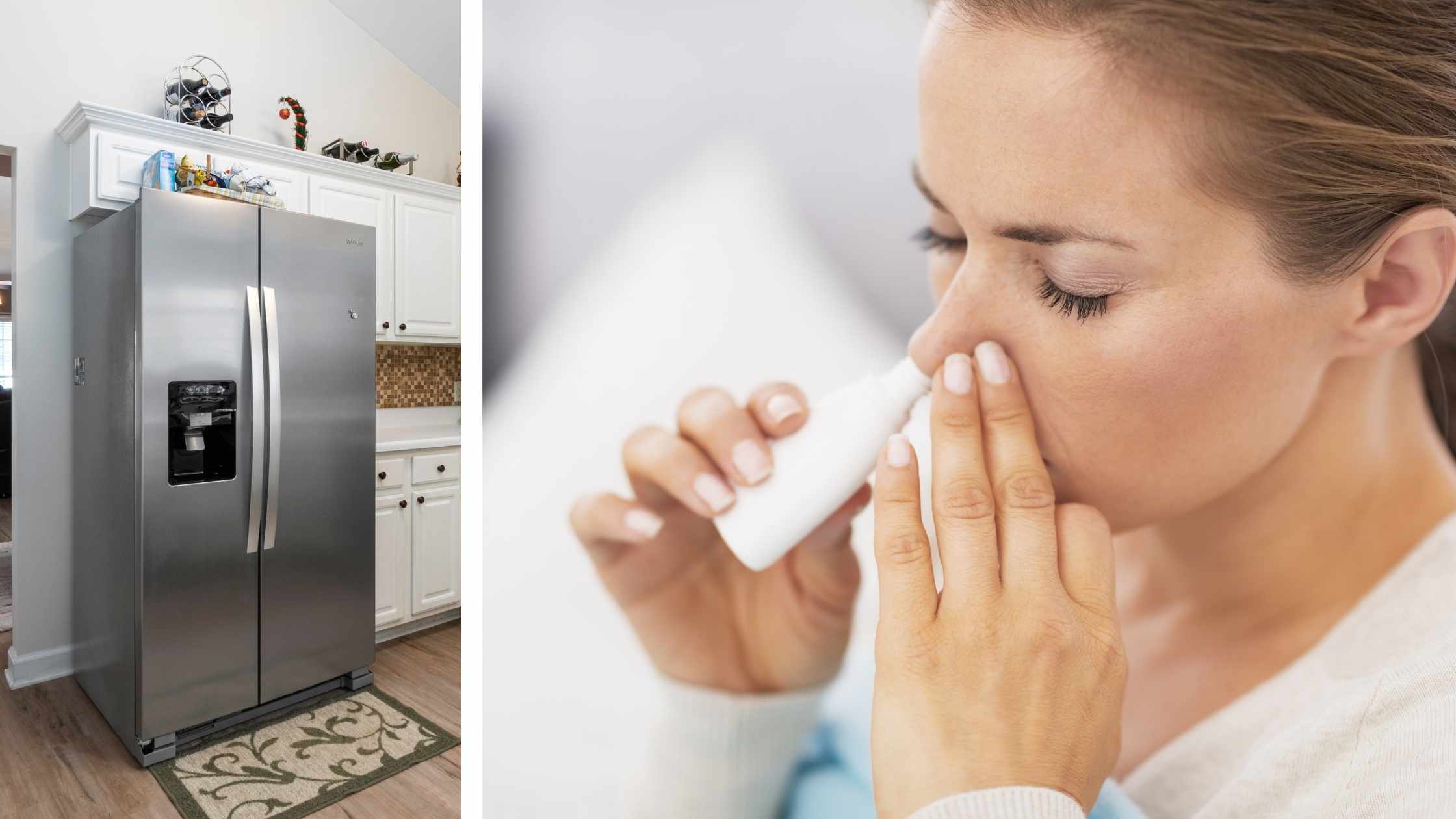

NAD+ Storage Guide: Protecting Your Cellular Investment
Whether you are using NAD+ subcutaneous injections or a nasal spray, you are dealing with a highly delicate molecule. NAD+ (Nicotinamide Adenine Dinucleotide) is chemically unstable when exposed to certain environmental factors. If it isn't stored correctly, the active ingredients can degrade, turning your potent longevity supplement into expensive, ineffective liquid.
To ensure you get the maximum metabolic and cognitive benefits, follow these strict storage protocols.
1. The Golden Rule: Keep It Cold
Temperature is the single most important factor in maintaining NAD+ potency.
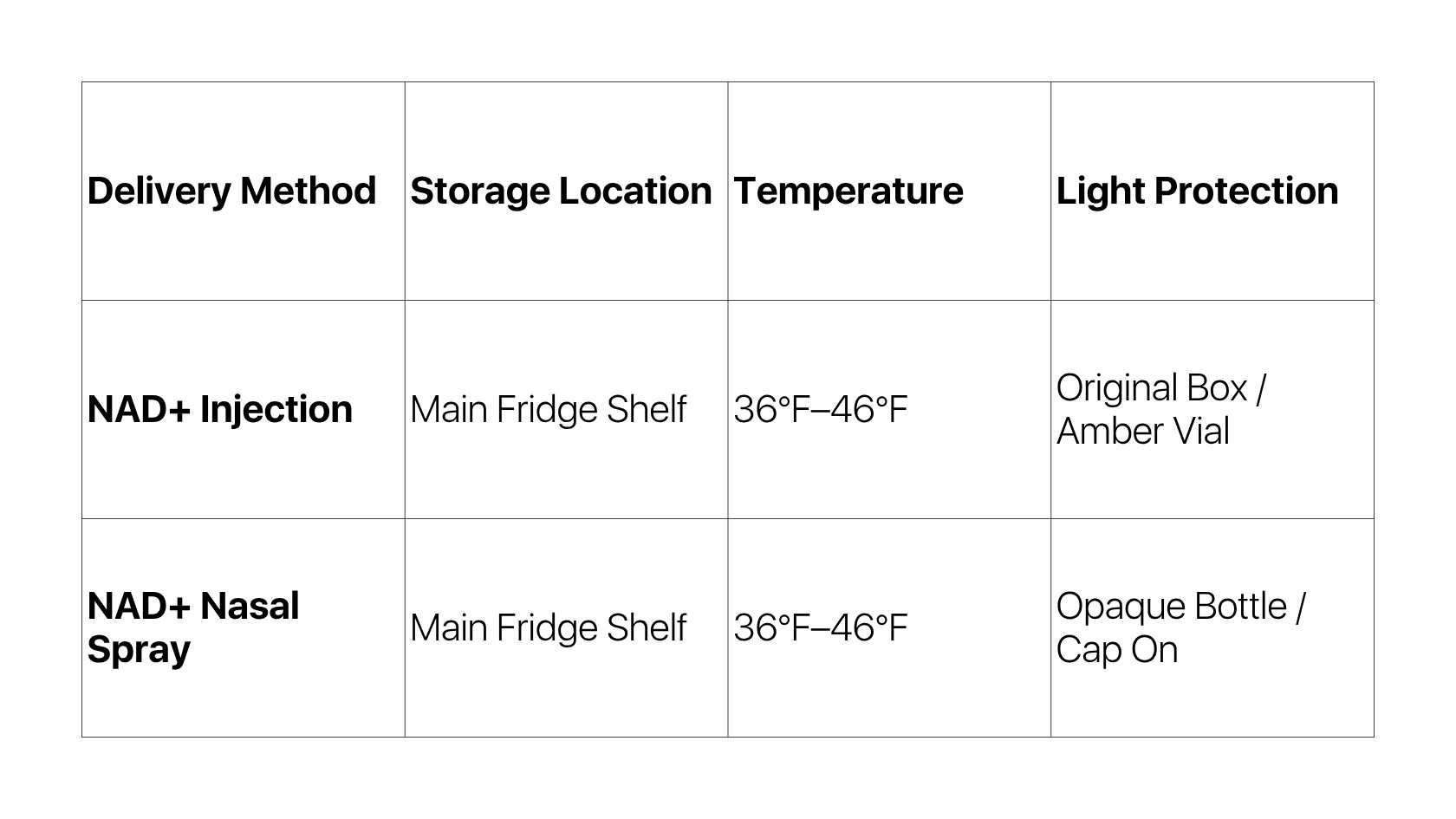
- The Refrigerator is Required: Both injections and nasal sprays should be stored in the refrigerator, ideally between 36°F and 46°F.
- Avoid the Door: Never store your NAD+ in the refrigerator door. The temperature fluctuates every time the door opens. Instead, place it on a middle shelf toward the back.
- Do Not Freeze: While NAD+ hates heat, it also dislikes extreme cold. Freezing can cause the solution to crystallize or break down the delicate peptide bonds. If your NAD+ freezes, consult your pharmacist before using it.
2. Protect from Light and Oxygen
NAD+ is "light-sensitive," meaning UV rays can trigger a chemical reaction that weakens the formula.
- The Amber Vial: Most NAD+ arrives in amber-colored glass vials or opaque spray bottles designed to block light. Keep the medication in these original containers.
- The Original Box: For an extra layer of protection, keep the vial or spray bottle inside the cardboard box it arrived in. This adds a secondary barrier against light and helps insulate it from minor temperature shifts.
- Cap it Tight: Oxygen can also lead to oxidation. Always ensure the cap on your nasal spray is clicked shut or the rubber stopper on your vial is clean and undisturbed.
3. Understanding the "Beyond Use Date" (BUD)
Unlike over-the-counter vitamins, prescription NAD+ (especially compounded versions) has a specific window of peak potency.
- Check the Label: Compounded NAD+ usually has a "Beyond Use Date" rather than a traditional expiration date. This is the date after which the pharmacy can no longer guarantee the strength of the medication.
- Potency Loss: Using NAD+ past its BUD isn't necessarily dangerous, but it is often significantly less effective. To get the "brain-lifting" results you’re paying for, try to use the supply within the recommended timeframe (usually 30–90 days).
4. Traveling with NAD+
Maintaining the "cold chain" while traveling is essential for your cellular health routine.
- Use a Medical Cooler: If you are traveling for more than an hour or two, place your NAD+ in a small insulated travel bag with a gel ice pack.
- The Barrier Rule: Never let the vial touch the ice pack directly, as this could cause localized freezing. Wrap the vial in a paper towel or small cloth first.
- TSA Readiness: You are legally allowed to travel with your medications and needles. Keep them in their original packaging with your prescription label visible to make security screenings a breeze.
5. Disposal and Safety
If you are using NAD+ injections, proper disposal is a non-negotiable part of your storage and supply routine.
- Sharps Container: Never throw used needles in the regular trash. Use an FDA-cleared sharps container or a heavy-duty plastic bottle (like a laundry detergent jug) labeled "BIOHAZARD."
- Visual Inspection: Before every use, look at the liquid. NAD+ should be clear. If you notice any cloudiness, "floaties" (particulates), or a significant change in color, do not use it and contact your provider.




.svg)