
PCOS and Fertility: Can Losing Weight Improve Your Odds?
If you have Polycystic Ovary Syndrome (PCOS), you’ve probably spent a lot of time talking about your "hormone balance." But did you know that for the majority of women with PCOS, the journey to a healthy pregnancy starts with metabolism?
Recent research is showing that by focusing on metabolic health - specifically how your body processes sugar and insulin - you can significantly improve your chances of getting pregnant.
The PCOS "Chicken or the Egg" Dilemma
Scientists often debate what starts first in PCOS:
- The Metabolic "Egg": In this scenario, insulin resistance starts first. High levels of insulin in your blood tell the ovaries to produce too much testosterone, which then stops ovulation.
- The Hormonal "Chicken": In other cases, a hormonal imbalance may come first, which then causes weight gain and insulin resistance as a side effect.
Regardless of which came first, the result is a vicious cycle where your metabolism and your hormones keep each other out of sync.
How GLP-1s Help Break the PCOS Cycle
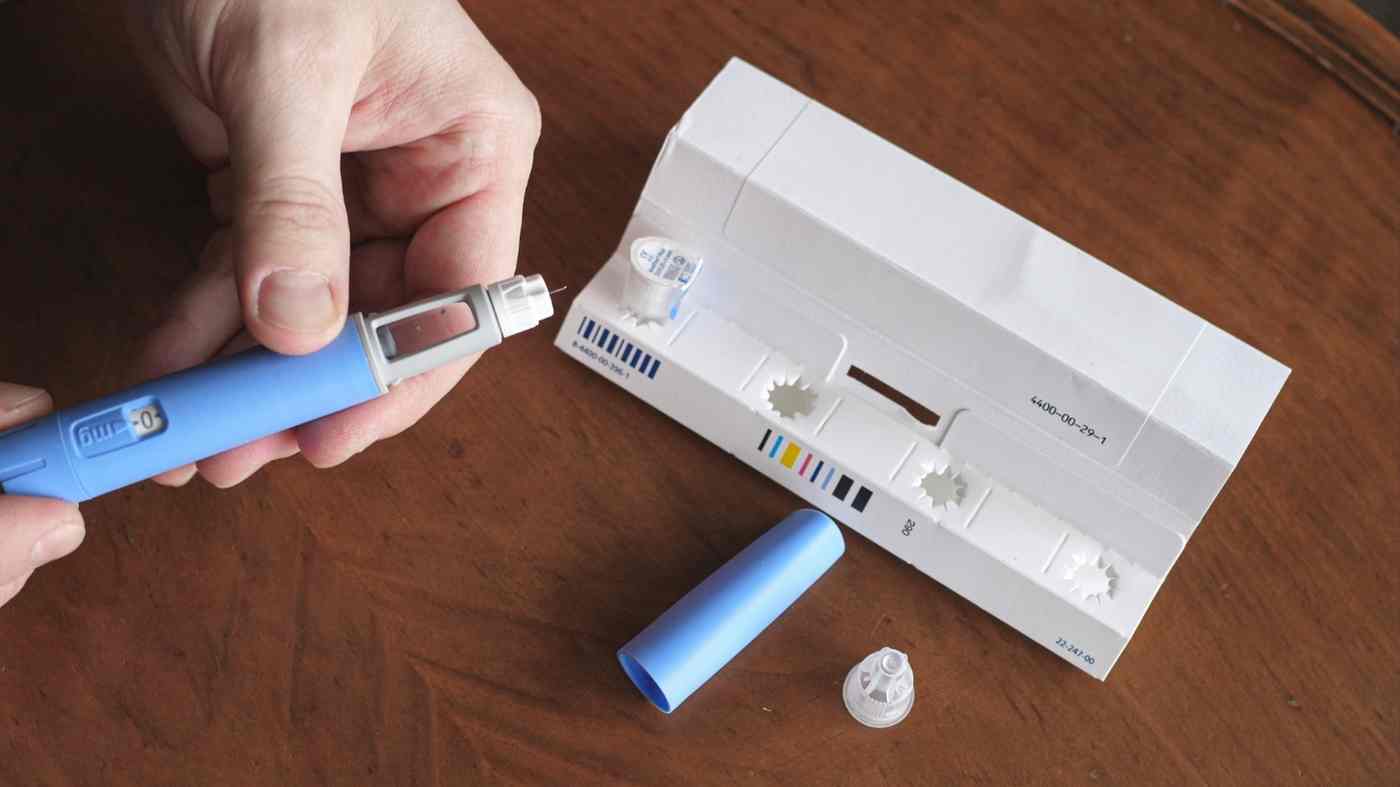
New clinical studies are looking at how GLP-1 medications (like semaglutide and tirzepatide) can help women with PCOS reclaim their reproductive health by addressing that metabolic loop.
- Lowering Androgens: By making your body more sensitive to insulin, GLP-1 medications help lower the high insulin levels that trigger excess testosterone.
- Restoring the Cycle: Improving metabolic health can restore menstrual regularity and ovulation rates, which directly translates to enhanced fertility.
- Prediabetes Remission: One trial showed that GLP-1 receptor agonists achieved a 64% prediabetes remission rate in PCOS patients when combined with other treatments.
- Boosting IVF Success: In assisted reproduction settings, preconception treatment with GLP-1s has been shown to be superior to metformin alone in increasing pregnancy rates.
A Marathon, Not a Sprint
At GobyMeds, we believe in sustainable wellness. If you are looking to improve your fertility, it is crucial to protect your body during the process. Rapid weight loss can lead to risks like gallstones, dehydration, or loss of bone and muscle mass.
Instead, focusing on a healthy, steady pace (typically 1 to 2 pounds per week) signals to your body that it is safe to burn fat without sacrificing the muscle and bone that support you.
Ready to see if GobyMeds is a good fit for you? Click here to learn more and see if you qualify today!

Safety and Your Journey
While the research on GLP-1s and fertility is exciting, safety is non-negotiable.
- Effective Contraception: Because these medications are classified as pregnancy class C, women should use effective contraception while on therapy.
- The Washout Period: It is currently recommended to have a "washout period" where you stop the medication before trying to conceive.
- Expert Oversight: All GobyMeds treatment plans are prescribed and monitored by licensed U.S. medical providers to ensure your path is safe and personalized.
Medical Disclaimer: The content provided in this article is for informational and educational purposes only and is not intended as medical advice, diagnosis, or treatment. Always consult your physician or a qualified healthcare provider regarding any medical condition or before starting any new treatment or medication.
Important Considerations:
- Off-Label Use: GLP-1 receptor agonists are FDA-approved for Type 2 Diabetes and/or chronic weight management. Their use for PCOS is considered "off-label" and is based on the independent medical judgment of your prescribing provider.
- Compounded Medications: Compounded semaglutide and tirzepatide are not FDA-approved. They are prepared by licensed compounding pharmacies to meet individual patient needs but have not been reviewed by the FDA for safety, efficacy, or quality.
- Results Not Guaranteed: Success rates, including weight loss and fertility outcomes (such as ovulation or conception), vary by individual. The statistics cited (e.g., remission rates) are based on clinical studies and may not reflect typical results for every patient.
- Pregnancy Safety: GLP-1 medications are contraindicated during pregnancy. Patients must discontinue use prior to conception as advised by their provider.
References
- Prediabetes Remission Study: Tao T, Zhang Y, Zhu YC, et al. Exenatide, Metformin, or Both for Prediabetes in PCOS: A Randomized, Open-label, Parallel-group Controlled Study. J Clin Endocrinol Metab. 2021;106(3):e1446-e1457. Link to Study
- IVF Success Rates Study: Salamun V, Jensterle M, Janez A, Vrtacnik Bokal E. Liraglutide increases IVF pregnancy rates in obese PCOS women with poor response to first-line reproductive treatments: a pilot randomized study. Eur J Endocrinol. 2018;179(1):1-11. Link to Study
- GLP-1s and Reproductive Health Review: e.g., Jensterle M, Janez A. Glucagon-like Peptide-1 Receptor Agonists in the Management of Polycystic Ovary Syndrome. International Journal of Molecular Sciences. 2024. Link to Review (Note: This covers the mechanisms regarding androgen lowering and cycle restoration.)




.svg)