
What's the Deal with Protein?
Is it just us, or is everyone talking about protein lately? Whether it's blended cottage cheese recipes or high-protein coffee hacks, this nutrient is taking center stage. But is this just another passing wellness fad, or is it a habit we should truly be leaning into?
At GobyMeds, we believe in sustainable lifestyle habits that support your medical treatments. That's why we’ve invited Ellie Hiller - HSN Certified Nutrition Coach and owner of Vulcan Nutrition - to cut through the noise. Today, she shares the practical science behind protein and easy, real-world strategies to help you hit your goals without the stress.
A Note on Scope: The content below provides general educational information on healthy eating habits and lifestyle choices. While nutrition coaches can offer excellent general advice, they are not medically trained to address specific health conditions or medication management.
If you have specific medical concerns or need a nutrition plan tailored to a diagnosis, please consult a Registered Dietitian or your GobyMeds provider.
Why the Shift to Protein?
Now let's get into protein and why everyone is talking about it:
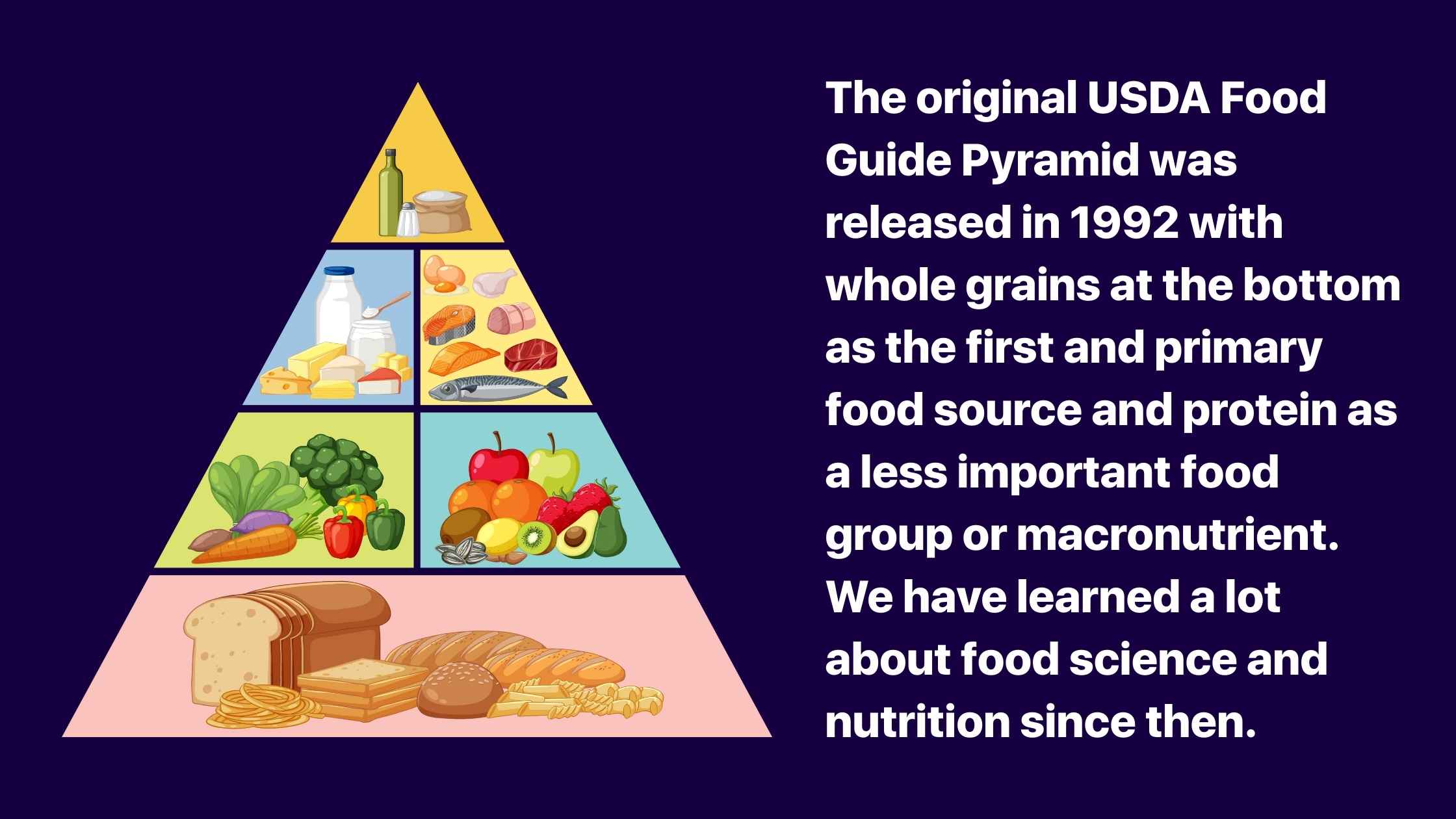
The importance of lean muscle mass (as it pertains to both aesthetics and quality of life) is finally becoming more mainstream after decades of being overshadowed by cardio and the now-abolished, utterly outdated food pyramid.
The 1990s food pyramid placed whole grains at the base of the diet, recommending 6–11 servings per day of bread, rice, cereal, and pasta, while protein foods like meat, fish, eggs, beans, and nuts were limited to just 2–3 servings and relegated to the top. In other words, protein wasn’t seen as very important thirty years ago. With the clarity of hindsight and advances in nutrition science, it’s easy to see how lopsided this logic was.
Lean muscle mass is commonly referred to as “metabolic currency.” When it comes to overall health span, muscle mass is king. At best, the goal for any individual should be to build lean muscle; at a minimum, it should be to maintain the muscle mass they already have. This progressive loss of muscle mass, otherwise known as sarcopenia, increases with age.

How to Consume Enough Protein
So, if we are all aging to one degree or another, how do we mitigate this loss of muscle? The biggest ticket item would be consuming enough dietary protein every day. Here are my top 3 things to focus on when it comes to daily protein intake.
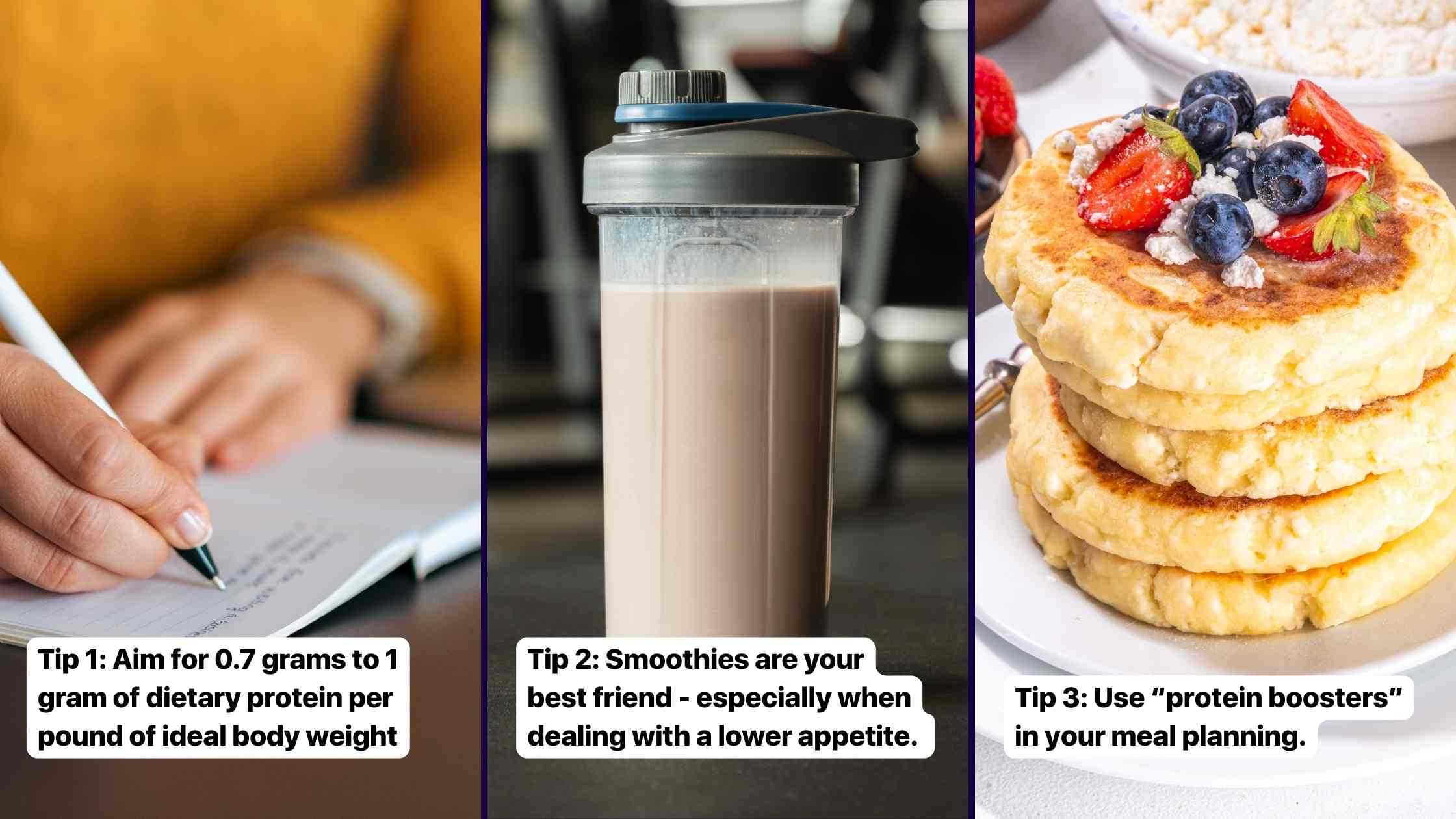
Tip 1: Aim for 0.7 grams to 1 gram of dietary protein per pound of ideal body weight
If you are eating 3 meals per day, a good starting place would be 30-40 grams of protein per meal. Of course, this depends on the person, but this is an appropriate target range per meal for most individuals.
Tip 2: Smoothies are your best friend - especially if you are dealing with a lower appetite.
Liquid protein sources (i.e. shakes and smoothies) are effective ways to get lots of protein in without the “chew-fatigue.” If you aren’t very hungry, but you know you need more protein, you can use a high quality protein powder to help! A few of my favorite brands: Equip Protein* and Just Ingredients*. You don’t need to add anything other than milk and protein powder, but you can always throw in some berries or a flax/chia mix for added fiber and micronutrients!
Tip 3: Use “protein boosters” in your meal planning
Everyone knows that animal meat is high in protein, but sometimes you might not want to eat a 4 oz chicken breast at dinner again. Food items like cottage cheese and greek yogurt are PACKED with protein and you can easily swap these into recipes to boost the protein content.
A few examples:
1. blend cottage cheese and add to soups, pasta dishes, and casseroles in lieu of cream!
2. Make protein pancakes or waffles (add protein powder and use greek yogurt instead of milk in the recipe)
3. Salad toppers: Top salads with nuts and seeds, goat cheese, cottage cheese, boiled eggs, chickpeas, edamame, etc). These add tons of micronutrients as well as extra protein!
If you want to increase your quality of life, improve your strength, and protect your metabolism, then you need to focus on building lean muscle mass. When appetite is suppressed, whether by medications or busy modern life, protein intake can easily fall through the cracks, putting that muscle at risk. The good news is that with a little intention–prioritizing protein at meals, leveraging smoothies when appetite is low, and using simple protein boosters –you can actively preserve and even build muscle while supporting fat loss. Muscle is an investment that pays dividends for decades to come. Protect it now, and your future self will thank you.
Next Steps
Interested in learning more about Ellie, the Vulcan Nutrition team and their coaching services? Click here to learn more!
Ready to learn more about GobyMeds and start taking control of your health? Click here to learn more about our products and pricing and click here to see if you qualify. Whether you are interested in medical weight loss, anti-aging, metabolic health, or more, GobyMeds is here to help you "Go Be You".
*Ellie is a partner with these companies and may earn a small commission from your purchase. She has tried these products and believes in them. This commission does not affect your cost.




.svg)