
Testosterone Topical Cream: What Men Should Know About This TRT Option
For men with low testosterone, treatment can feel like a big decision. Low energy, low libido, reduced motivation, changes in mood, difficulty building muscle, and poor workout recovery can all lead someone to wonder whether testosterone is part of the picture.
But testosterone care is not one-size-fits-all.
At GobyMeds, testosterone replacement therapy, or TRT, is available in several forms, including injectable testosterone, testosterone hypospray, and topical testosterone cream. GobyMeds also offers enclomiphene, which is different because it supports the body's own testosterone signaling rather than replacing testosterone directly.
This article focuses on testosterone topical cream, a non-injectable TRT option for men who may be appropriate candidates for direct testosterone replacement.
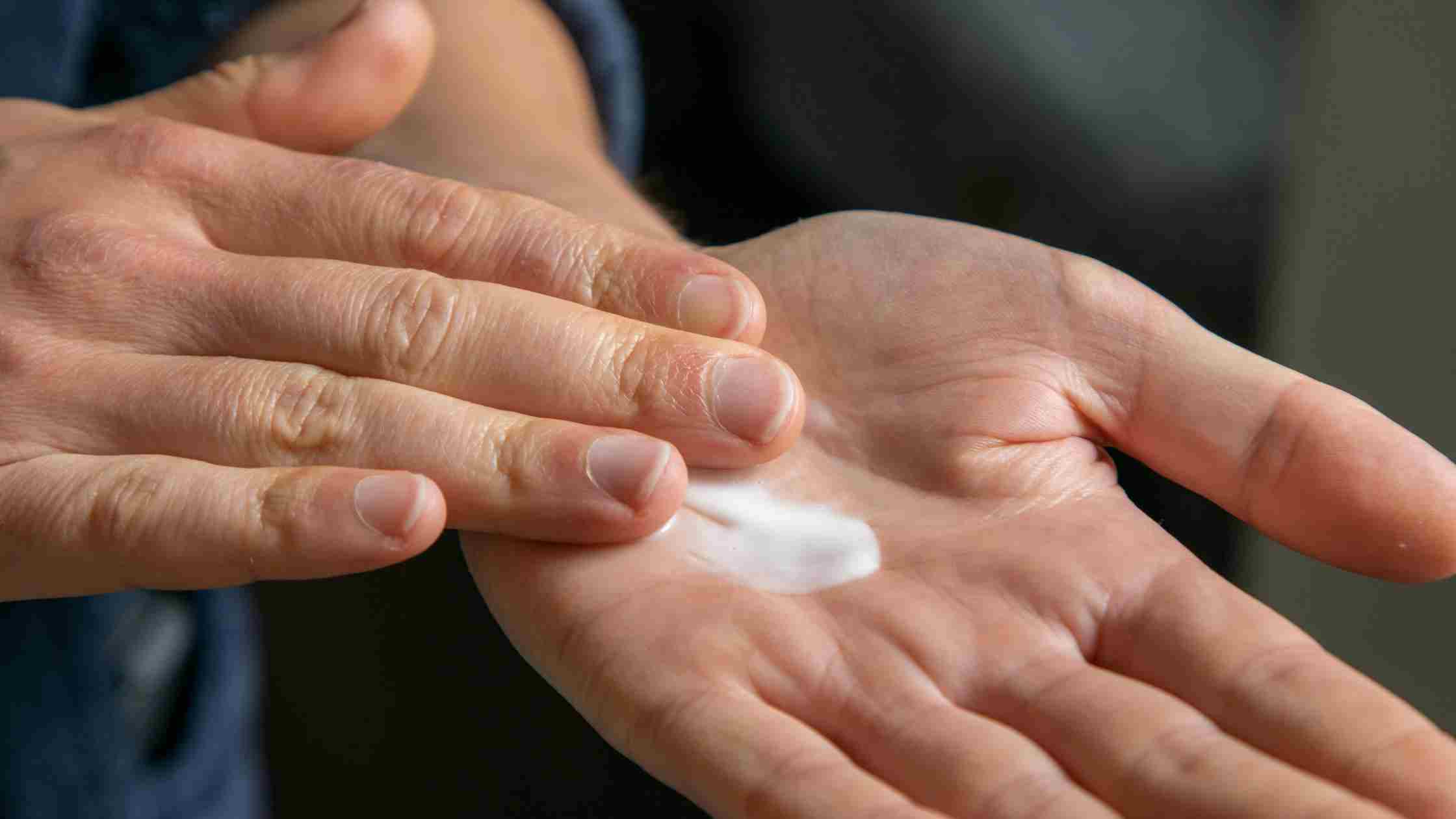
What Is Testosterone Topical Cream?
Testosterone topical cream is a form of testosterone replacement therapy applied directly to the skin. Unlike injectable TRT, there are no needles involved. Instead, testosterone is delivered transdermally — absorbed through the skin into the bloodstream — where it gets to work restoring levels in men with lab-confirmed testosterone deficiency.
The most important thing to understand is this:
Testosterone topical cream is still TRT.
It may not involve a syringe, but it still contains testosterone. That places it in the same general category as injectable testosterone and testosterone hypospray: direct testosterone replacement. Research published in the Journal of Clinical Medicine has confirmed that compounded topical testosterone gels and creams can effectively restore testosterone levels to normal physiologic ranges in men with hypogonadism when properly dosed and monitored.[1]
Enclomiphene is different. It does not replace testosterone directly. It supports the body's own hormone signaling instead.
Why Someone Might Consider Testosterone Topical Cream
Some men are interested in TRT but do not want to deal with injections. Others want a daily routine that fits seamlessly into their existing schedule. Topical cream can appeal to both.
Testosterone topical cream may appeal to men who:
- Have symptoms of low testosterone
- Have lab-confirmed testosterone deficiency
- Want direct testosterone replacement
- Prefer a non-injectable option
- Can follow application instructions consistently and carefully
- Want a daily format they can work into their routine
- Are not currently prioritizing fertility
The "no needles" aspect is often the biggest draw. For men who feel hesitant about syringes, drawing medication, or injecting at home, a cream applied directly to the skin may feel much more manageable.
Symptoms That May Lead Someone to Check Testosterone Levels
Low testosterone can show up in different ways. Some men notice changes in sexual health first, while others notice lower energy, changes in mood, or a harder time maintaining muscle.
Common symptoms that may lead someone to check testosterone levels include:
- Low libido
- Fewer or weaker morning erections
- Erectile dysfunction
- Fatigue or low energy
- Reduced motivation
- Depressed mood or irritability
- Brain fog
- Trouble concentrating
- Loss of muscle mass or strength
- Increased body fat
- Poor workout recovery
- Lower endurance
- Sleep changes
These symptoms can be frustrating, but they do not automatically mean testosterone is low. Stress, poor sleep, sleep apnea, thyroid issues, depression, medication side effects, alcohol use, metabolic health, and overtraining can all cause similar symptoms.
That is why labs matter.

Why Labs Matter Before Starting TRT
Symptoms alone are not enough to diagnose testosterone deficiency. Major medical guidelines recommend confirming low testosterone with blood work, typically with at least two early-morning testosterone tests.
A responsible evaluation may include:
- Total testosterone
- Free testosterone, when appropriate
- LH and FSH
- Hematocrit and hemoglobin
- PSA when appropriate
- Metabolic markers
- Medical history review
- Medication review
- Fertility goals
- Symptom review
At GobyMeds, the prescribed dose is based on the individual patient's biometrics, lab results, medical history, and provider review. It is not a one-size-fits-all plan.
How Testosterone Topical Cream Works
When applied to the skin, testosterone is absorbed through the outer layer — the stratum corneum — which acts as a reservoir, delivering testosterone steadily into the bloodstream over the course of the day. Research shows that daily application can maintain testosterone in a normal physiologic range in men with hypogonadism, with studies demonstrating improvements in sexual desire, lean body mass, bone mineral density, energy, and overall vitality.[2]
Application site matters. Absorption can vary depending on where the cream is applied. Compounded testosterone creams can be applied to the shoulders, upper arms, or abdomen. Your provider and pharmacy will give you specific instructions based on your formulation and may indicate other application areas. Make sure to review the instructions included with your prescription carefully.
The key is consistency. Topical TRT works best when applied at the same time each day, following pharmacy instructions exactly.
Who Testosterone Topical Cream May Be For
Testosterone topical cream may be a good fit for men who have symptoms of low testosterone and lab results that support testosterone deficiency.
It may be worth discussing if a man:
- Has consistently low testosterone on lab work
- Has symptoms that match testosterone deficiency
- Wants direct testosterone replacement
- Prefers to avoid injections
- Can follow daily application instructions carefully and consistently
- Understands the need for ongoing monitoring
- Is not currently trying to preserve fertility
This option may be especially appealing for men who want TRT but are not comfortable with self-injection.
Who Testosterone Topical Cream May Not Be For
Testosterone topical cream is not right for everyone.
It may not be appropriate for men who:
- Are actively trying to conceive
- Want to preserve fertility in the near term
- Have elevated hematocrit
- Have untreated severe sleep apnea
- Have known or suspected prostate or breast cancer
- Have significant uncontrolled heart, liver, or kidney concerns
- Recently had a heart attack or stroke
- Have certain clotting risks
- Do not have lab-confirmed testosterone deficiency
- Want testosterone for general "optimization" without a medical indication
- Cannot follow application instructions consistently
A man may have symptoms that feel like low testosterone, but another issue may be the real driver. That is why provider evaluation matters so much before starting.
Testosterone Topical Cream vs. Injectable TRT
Both topical testosterone cream and injectable testosterone are direct TRT options. The difference is delivery.
Injectable TRT uses a needle to deliver testosterone into muscle tissue. Testosterone topical cream is applied to the skin daily and absorbed transdermally.
Neither option is automatically better. The right choice depends on:
- Labs
- Symptoms
- Medical history
- Lifestyle and daily routine
- Fertility goals
- Comfort with injections
- Ability to follow application instructions consistently
- Provider recommendation
Some men prefer injections because they only need to administer them once or twice a week and find the dosing predictable. Others prefer a daily cream that requires no needle preparation. Absorption can vary slightly more with topical cream compared to injections — which is one reason monitoring labs every three months matters.
Does Testosterone Topical Cream Transfer to Other People?
This is one of the most important practical questions to understand before starting topical TRT.
Yes, testosterone cream can transfer to others through skin-to-skin contact if proper precautions are not followed. The FDA has documented cases of unintended virilization in children who were accidentally exposed to topical testosterone products through contact with a treated adult.
That said, the risk is manageable with proper use.
To minimize transfer risk:
- Apply the cream to the area directed by your provider (often the scrotum or inner thigh)
- Allow it to fully absorb or dry before contact with others
- Wash hands thoroughly after application
- Cover the application site with clothing before close contact, especially around children
- Be especially cautious around women who are pregnant or breastfeeding, and children
If someone else contacts an untreated application area, they should wash the area with soap and water right away.
Following your provider's and pharmacy's instructions carefully is the best way to reduce transfer risk.
Possible Side Effects of Testosterone Topical Cream
Testosterone topical cream can be helpful for the right patient, but it can still cause side effects.
Possible side effects may include:
- Acne or oily skin
- Mood changes or irritability
- Water retention
- Breast tenderness or swelling
- Increased red blood cell count (erythrocytosis)
- Elevated hematocrit
- Higher blood pressure
- Worsening sleep apnea
- Reduced sperm production
- Skin irritation or redness at the application site
- Headaches
- Hair thinning in men genetically prone to male-pattern hair loss
Not everyone experiences side effects. The important thing is to report new or concerning symptoms to your provider as soon as they arise.
When to Contact a Provider
Contact your provider if you notice symptoms that feel new, severe, or concerning after starting testosterone topical cream.
Reach out promptly if you experience:
- Significant mood changes
- New or worsening acne
- Breast tenderness or swelling
- Shortness of breath
- Chest pain
- Severe headaches
- Vision changes
- Swelling, warmth, or pain in one leg
- Worsening sleep apnea symptoms
- Blood pressure concerns
- Skin irritation that does not resolve or worsens
- Symptoms that feel worse after starting treatment
Seek urgent medical attention for chest pain, difficulty breathing, fainting, stroke-like symptoms, or signs of a possible blood clot.
Testosterone Topical Cream and Fertility
This is one of the most important points to understand before starting any direct TRT option.
Testosterone topical cream provides testosterone from outside the body. Because of that, it may suppress the body's natural hormone signaling through a negative feedback loop and reduce sperm production. Research indicates this suppression can be significant, and in some cases fertility may take time to return after stopping treatment.[4]
For men who are actively trying to conceive, planning to have children soon, or want to keep fertility front and center, testosterone topical cream may not be the best first option.
In those cases, enclomiphene may be a more relevant conversation, because it supports the body's own testosterone signaling rather than replacing testosterone directly.
Fertility goals should always be discussed before starting TRT.

Lab Monitoring on Testosterone Topical Cream
TRT requires ongoing monitoring. This is true whether testosterone is delivered by injection, cream, or hypospray.
At GobyMeds, patients on TRT complete labs every three months. These labs help the provider evaluate testosterone levels, blood counts, safety markers, and whether the dose is still appropriate. Because absorption can vary with topical formulations, consistent monitoring is especially important to ensure levels are reaching the target range without overshooting it.
Lab costs are separate from the medication. The first round of labs may be more comprehensive — and more expensive — because it establishes the baseline. Ongoing labs help monitor safety and guide dose adjustments over time.
Patients can complete labs through a lab provider close to them. During the GobyMeds order process, patients are given available lab options to choose from.
Why a Video Visit Is Required
Testosterone is a controlled substance. Because of that, GobyMeds requires a synchronous video visit with a licensed provider as part of the evaluation and prescribing process.
This visit helps the provider review labs and symptoms, discuss risks and benefits, answer questions, and confirm whether testosterone topical cream is appropriate for the individual patient.
What the Timeline May Look Like
TRT is gradual. It is not an overnight transformation.
Some men may notice early changes in libido, energy, or mood within the first few weeks. Other changes, like body composition, strength, and workout recovery, may take several months to become noticeable.
A general timeline may look like this:
- First few weeks: possible early changes in energy, libido, mood, or motivation
- 2 to 3 months: clearer symptom patterns and first major lab reassessment
- 3 to 6 months: body composition, strength, and recovery changes may become more apparent
- 6 to 12 months: longer-term benefits and dose stability become easier to evaluate
Results vary. TRT tends to work best when paired with consistent sleep, good nutrition, strength training, stress management, and regular follow-up care.
The GobyMeds Approach
At GobyMeds, testosterone topical cream is designed to be structured, monitored, and personalized.
That means:
- A provider reviews symptoms and health history
- Labs are used to confirm and monitor treatment
- Dose is based on individual biometrics and lab results
- A synchronous video visit is required
- Labs are completed every three months
- Patients choose from available local lab options during the order process
- Treatment is adjusted based on response and safety markers
The goal is not to chase the highest testosterone number. The goal is to help appropriate candidates restore testosterone into a healthy range while monitoring symptoms, side effects, and long-term safety.

The Bottom Line
Testosterone topical cream is a non-injectable direct TRT option for men with symptoms and lab-confirmed testosterone deficiency.
It may be a good fit for men who want testosterone replacement but prefer to avoid injections. When applied consistently, as directed by a provider, topical cream can restore testosterone into a normal physiologic range and support improvements in energy, libido, body composition, and mood.
But it is still testosterone replacement therapy. That means it requires labs, provider oversight, safety monitoring, and an honest conversation about fertility.
The best testosterone plan is the one that matches the patient's labs, symptoms, health history, fertility goals, and lifestyle.
Ready to see if GobyMeds is a good fit for your TRT journey? Click here to see if you qualify today.
FAQ
Is testosterone topical cream considered TRT?
Yes. Testosterone topical cream contains testosterone, so it is a form of testosterone replacement therapy.
How is topical cream different from injectable TRT?
Both provide testosterone directly. Injectable TRT uses a needle into muscle tissue, while topical cream is applied to the skin daily and absorbed transdermally.
Is topical cream the same as enclomiphene?
No. Enclomiphene does not replace testosterone directly. It supports the body's own hormone signaling to help the body produce more testosterone on its own. Topical cream delivers testosterone from outside the body.
Can testosterone cream transfer to a partner or children?
Yes, it can if proper precautions are not followed. Allow the cream to fully absorb, wash your hands after applying, cover the area with clothing before close contact, and follow all application instructions carefully.
Does testosterone cream affect fertility?
It can. Like all direct TRT options, topical testosterone may suppress sperm production. Men who want to preserve fertility should discuss this with their provider before starting.
References
- Testosterone Therapy for Late-Onset Hypogonadism: A Clinical, Biological, and Analytical Approach Using Compounded Testosterone 0.5–20% Topical Gels. PMC / NIH. https://www.ncbi.nlm.nih.gov/pmc/articles/PMC11124925/
- Testosterone Replacement Therapy in Men Aged 50 and Above: A Narrative Review of Evidence-Based Benefits, Safety Considerations, and Clinical Recommendations. PMC / NIH. https://www.ncbi.nlm.nih.gov/pmc/articles/PMC12535424/
- Case Study: Absorption of Testosterone Cream via Scrotal Administration. PubMed. https://pubmed.ncbi.nlm.nih.gov/30384346/
- Testosterone Cream: Uses, Side Effects, Dosage, and More. Hims. https://www.hims.com/blog/testosterone-cream




.svg)