
Frozen Veggies: Are They as Good for You as Fresh?
By Ellie Hiller, BSN, RN, HSN Nutrition Coach
I have some amazing news for the day: frozen vegetables and canned vegetables absolutely count toward your daily veggie goal.
That may sound simple, but it matters. A lot of people make healthy eating harder than it needs to be because they think produce only "counts" if it is fresh, organic, washed, chopped, and perfectly arranged in the refrigerator.
That is not real life for most people.
Frozen and canned vegetables can be affordable, convenient, long-lasting, and genuinely helpful when you are trying to eat more produce consistently. If they help you get vegetables on your plate more often, they are doing their job.

How Much Produce Should You Aim For?
The most common target for daily produce is around five servings per day. For many adults, public health guidance often translates to about 1.5 to 2 cups of fruit and 2 to 3 cups of vegetables per day, depending on age, sex, activity level, and overall calorie needs.
I also like using a weight-based goal because it can help people track intake more objectively.
A simple starting point is 400 grams of fruits and vegetables per day. After that, many people do well closer to the 600 to 800 gram range, especially if they are active, enjoy higher-volume meals, or are working on building more fiber-rich foods into their routine.
Basically, you weigh your fruit or vegetables before you eat them on a food scale and record the weight in grams. I like to suggest writing that down in your notes app and keeping a running total until you hit your goal.
At first, you may be surprised by how far off you are. That is not something to feel bad about. It is just information.
Fresh Produce Is Great, But It Is Not Always Practical
Fresh fruits and vegetables are wonderful. They can taste amazing, add color and texture to meals, and offer vitamins, minerals, fiber, and plant compounds that support overall health.
But fresh produce can also be expensive and time-consuming.
You have to buy it, wash it, prep it, store it, remember to use it, and hope it does not wilt or spoil before you get to it. If you have a busy week, travel, kids, long workdays, or limited grocery access, fresh-only produce goals can become frustrating fast.
This is where frozen and canned options come in handy.
They make it easier to have vegetables available even when your schedule is not ideal.
Are Frozen Vegetables Nutritious?
Yes. Frozen vegetables can be an excellent source of vitamins, minerals, and fiber.
Most frozen vegetables are picked and frozen in season at peak ripeness. This helps preserve many of their nutrients. Some nutrients can decrease during processing, blanching, storage, or cooking, but that does not mean frozen vegetables are "less healthy" or not worth eating.
In fact, research comparing fresh and frozen produce has found that vitamin content is often similar, and in some cases frozen options may retain nutrients well because they are processed soon after harvest.
The best part is convenience.
Frozen broccoli, green beans, peas, spinach, cauliflower, peppers, onions, edamame, and mixed vegetables can sit in your freezer for weeks or months. You do not have to worry about them wilting before you have time to use them.
That convenience can make the difference between getting vegetables with dinner or skipping them entirely.
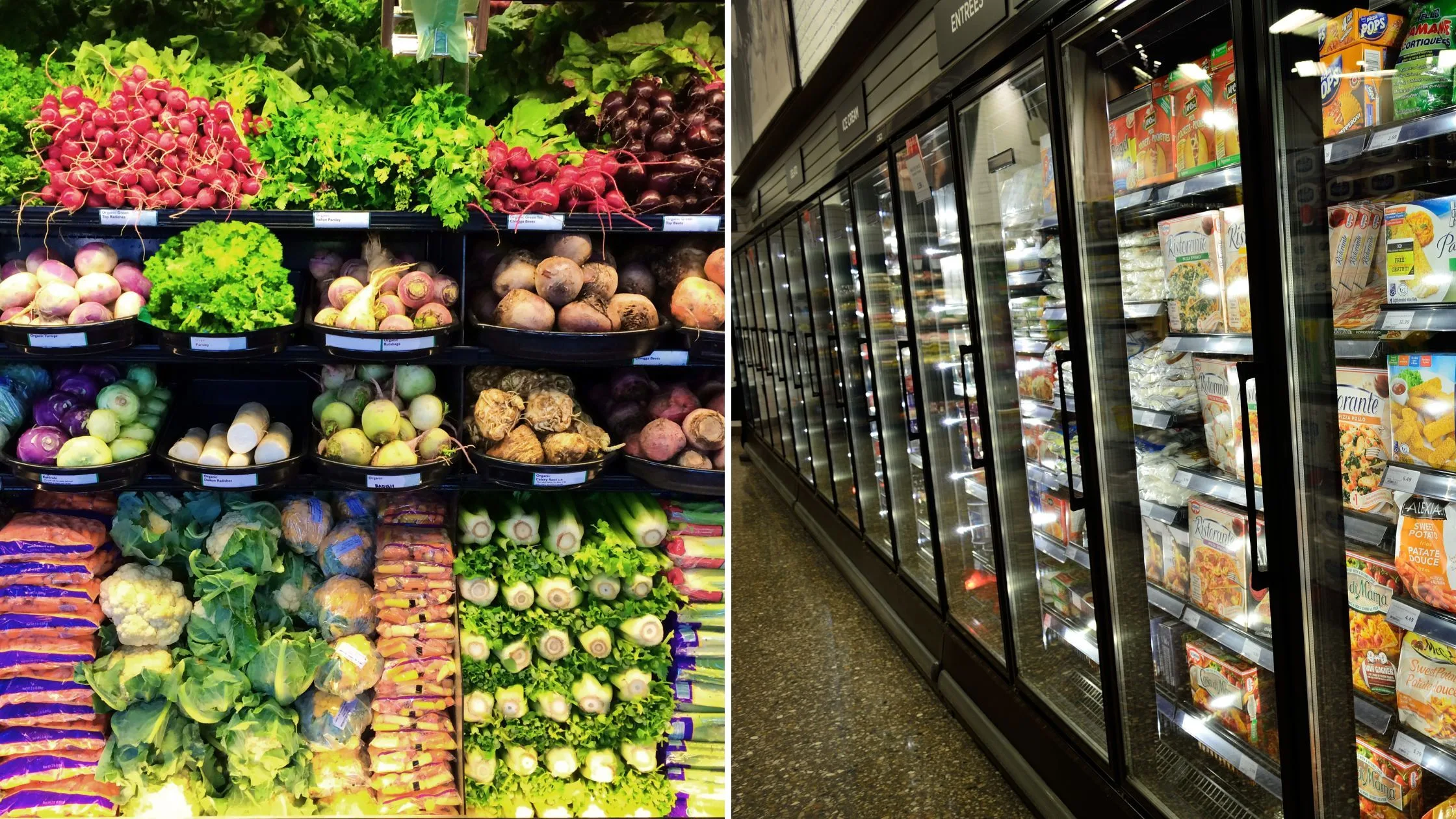
What About Canned Vegetables?
Canned vegetables can also count.
They are often affordable, shelf-stable, and easy to keep on hand for quick meals. Think canned green beans, corn, peas, carrots, beets, tomatoes, pumpkin, beans, lentils, and mixed vegetables.
The biggest thing to watch with canned vegetables is sodium. Look for "no salt added" or "low sodium" options when you can. If you already have regular canned vegetables, rinsing and draining them can help reduce some of the sodium.
For canned fruit, choose fruit packed in water or 100% juice when possible. Try to avoid fruit canned in heavy syrup or added sugar if your goal is to keep things simple and nutrient-dense.
The goal is not to make canned options perfect. The goal is to choose versions that support your habits most of the time.
How to Use Frozen Vegetables Without Making Them Boring
Try keeping a few bags of your favorite frozen vegetables on hand for quick meals.
Some easy ideas:
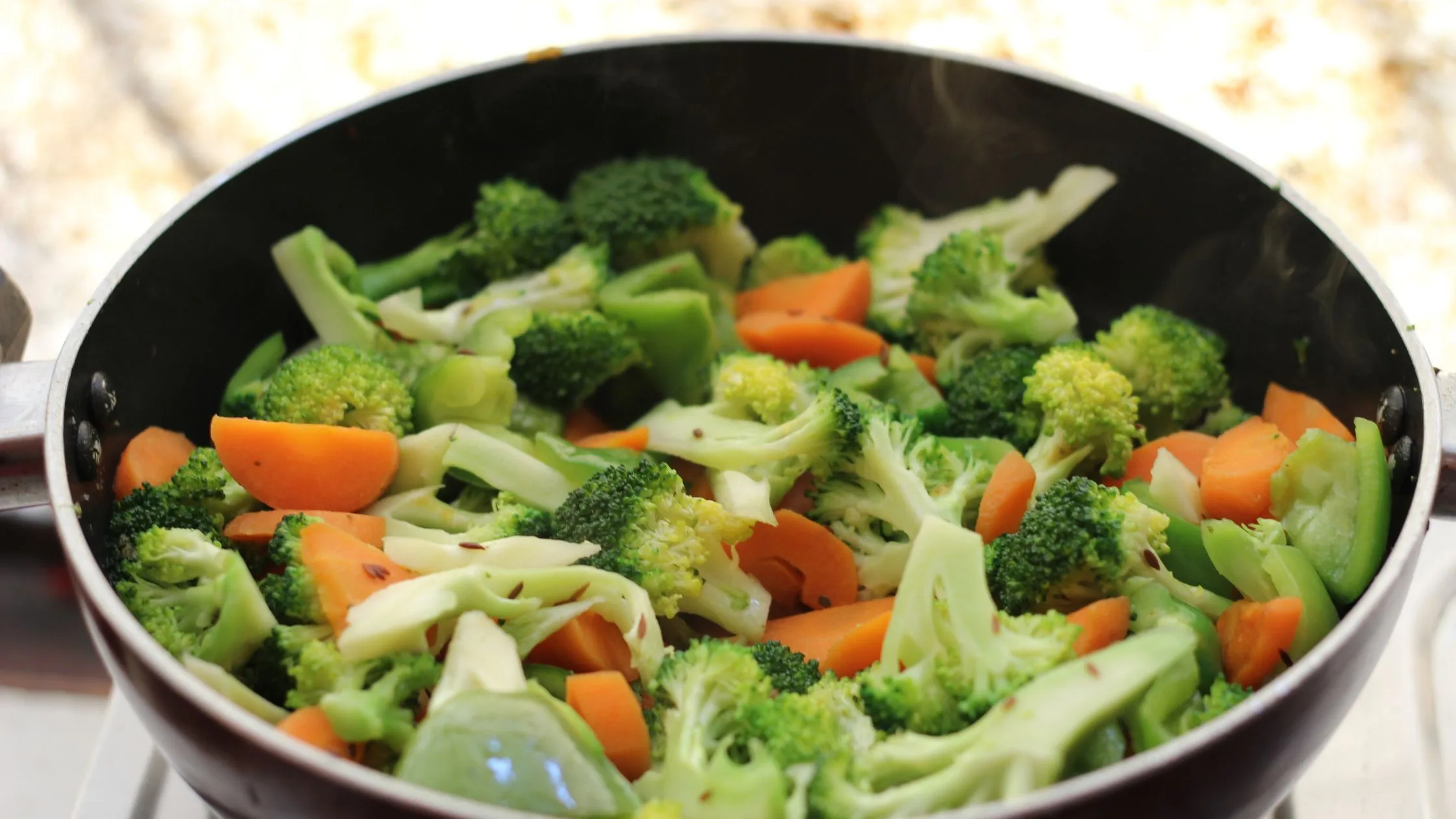
- Air fry frozen broccoli, cauliflower, green beans, or Brussels sprouts.
- Add frozen peppers and onions to eggs, taco meat, fajita bowls, or stir-fries.
- Blend frozen spinach into smoothies.
- Toss frozen vegetables onto a sheet pan with chicken sausage, chicken breast, salmon, tofu, or potatoes.
- Add frozen peas, carrots, spinach, or mixed vegetables to soups.
- Stir frozen cauliflower rice into regular rice for more volume.
- Add frozen edamame to bowls, salads, or stir-fries for extra protein and fiber.
You can also season frozen vegetables just like fresh ones. Garlic, lemon juice, pepper, chili flakes, smoked paprika, Italian seasoning, ranch seasoning, taco seasoning, parmesan, olive oil, or a little sauce can go a long way.
If you think you do not like frozen vegetables, try changing the cooking method. Many people dislike frozen vegetables because they have only had them microwaved until soft. Air frying, roasting, sauteing, or adding them into a flavorful dish can make a big difference.
What to Look for on the Ingredient List
Be aware of the ingredient list when choosing frozen or canned fruits and vegetables.
For frozen vegetables, the simplest option is usually just the vegetable itself. That gives you more control over seasoning, sauces, oils, and sodium.
Be more cautious with frozen vegetable blends that already include creamy sauces, rice, pasta, cheese sauces, or heavy seasoning packets. Those can still fit sometimes, but they may add extra calories, sodium, saturated fat, or ingredients you were not expecting.
For canned fruit, look for water or 100% juice instead of syrup. For canned vegetables, look for low sodium or no salt added when possible.
Simple does not mean boring. It means you get to decide how the food fits into your meal.
From the GobyMeds Team: The Best Produce Is the Produce You Actually Eat
It is easy to get caught up in what sounds ideal. Fresh vegetables from the farmers market. Perfectly prepped meals. A refrigerator full of colorful containers. That can be great, but it is not the only way to eat well.
For many people, frozen and canned produce removes friction.
Friction is anything that makes a healthy habit harder to do. Washing, chopping, meal planning, spoilage, cost, and extra grocery trips all add friction. Frozen and canned options reduce that friction because they are ready when you are.
That matters because consistency is usually more important than perfection. A bag of frozen green beans added to dinner is better than fresh asparagus you bought with good intentions and threw away a week later. Canned tomatoes in chili count. Frozen spinach in a smoothie counts. Canned beans in a salad count. Frozen peppers in eggs count.
There is also a food waste benefit. Fresh produce is wonderful, but it can spoil quickly. Frozen and canned options last longer, which can help stretch your grocery budget and make it easier to keep produce available between shopping trips.
One helpful strategy is to use all three forms:
- Fresh produce for flavor, crunch, salads, snacks, and meals you know you will make soon
- Frozen produce for backup vegetables, smoothies, stir-fries, soups, sheet pan meals, and quick dinners
- Canned produce for pantry staples like tomatoes, beans, corn, pumpkin, beets, and emergency meal options
When you look at it that way, frozen and canned vegetables are not a compromise. They are tools.
Do not let an unrealistic ideal of "only fresh" keep you from actually hitting your daily produce targets. Make it easy on yourself and stock up on longer-lasting produce options that fit your real life.
The Bottom Line
Frozen and canned vegetables count.
Fresh produce is great, but it is not the only healthy option. Frozen vegetables can be highly nutritious, convenient, and budget-friendly. Canned vegetables can be a helpful pantry staple, especially when you choose lower-sodium options or rinse and drain them.
If frozen or canned produce helps you eat more fruits and vegetables consistently, use it. The best option is the one that actually makes it onto your plate.
Sources:
- American Heart Association: fresh, frozen, and canned fruits and vegetables can all be healthy choices; includes tips on rinsing canned vegetables and choosing fruit packed in water or juice. https://www.heart.org/en/healthy-living/healthy-eating/eat-smart/nutrition-basics/fresh-frozen-or-canned-fruits-and-vegetables-all-can-be-healthy-choices
- CDC MMWR: adults are generally advised to consume 1.5 to 2 cup-equivalents of fruit and 2 to 3 cup-equivalents of vegetables daily, depending on individual needs. https://www.cdc.gov/mmwr/volumes/71/wr/mm7101a1.htm
- Dietary Guidelines for Americans, 2020-2025: healthy dietary patterns include vegetables, fruits, grains, dairy, protein foods, and oils, with emphasis on nutrient-dense choices. https://www.dietaryguidelines.gov/resources/2020-2025-dietary-guidelines-online-materials
- PubMed: vitamin retention comparison of refrigerated and frozen fruits and vegetables; useful for supporting the point that frozen produce can retain nutrients well. https://pubmed.ncbi.nlm.nih.gov/25526594/
- PubMed: study on industrial freezing and selected vegetables, noting that well-performed freezing processes can preserve nutritional value. https://pubmed.ncbi.nlm.nih.gov/28454976/
- MedlinePlus: overview of fresh, frozen, and canned foods, with practical advice on choosing options without added salt, sugar, or sauces. https://medlineplus.gov/ency/article/002095.htm