
What to Eat When Nausea Makes Eating Feel Impossible
Author: Ellie Hiller, BSN, RN, HSN Nutrition Coach
Few things can make eating feel quite as impossible as nausea. On these days, eating “perfectly” may not be realistic, and that is okay. The goal is simply to get some nutrients in instead of throwing the whole day away. In fact, getting even a little bit of food and fluid can often help you feel better afterward, even if all you are craving is saltine crackers.
That is really the goal here: not perfection, just doing what you can.
/
When nausea shows up, eating may need to look different than it does on a normal day. Meals may need to be smaller, foods may need to be simpler, and expectations may need to be lower. A few strategic choices can help make eating feel more manageable while still giving your body some protein, fluids, and energy.
Here are a few strategies that can help.

Eat Small, More Frequent Meals
A large meal can make nausea worse. There is nothing magical about three large meals, especially on a day when food already sounds unappealing. Instead, focus on eating 5 to 6 small meals throughout the day.
Another helpful option is to set a reminder every 2 to 3 hours to eat something with protein, fat, and carbs. Even a few bites are better than waiting until you are starving, which can make nausea worse.
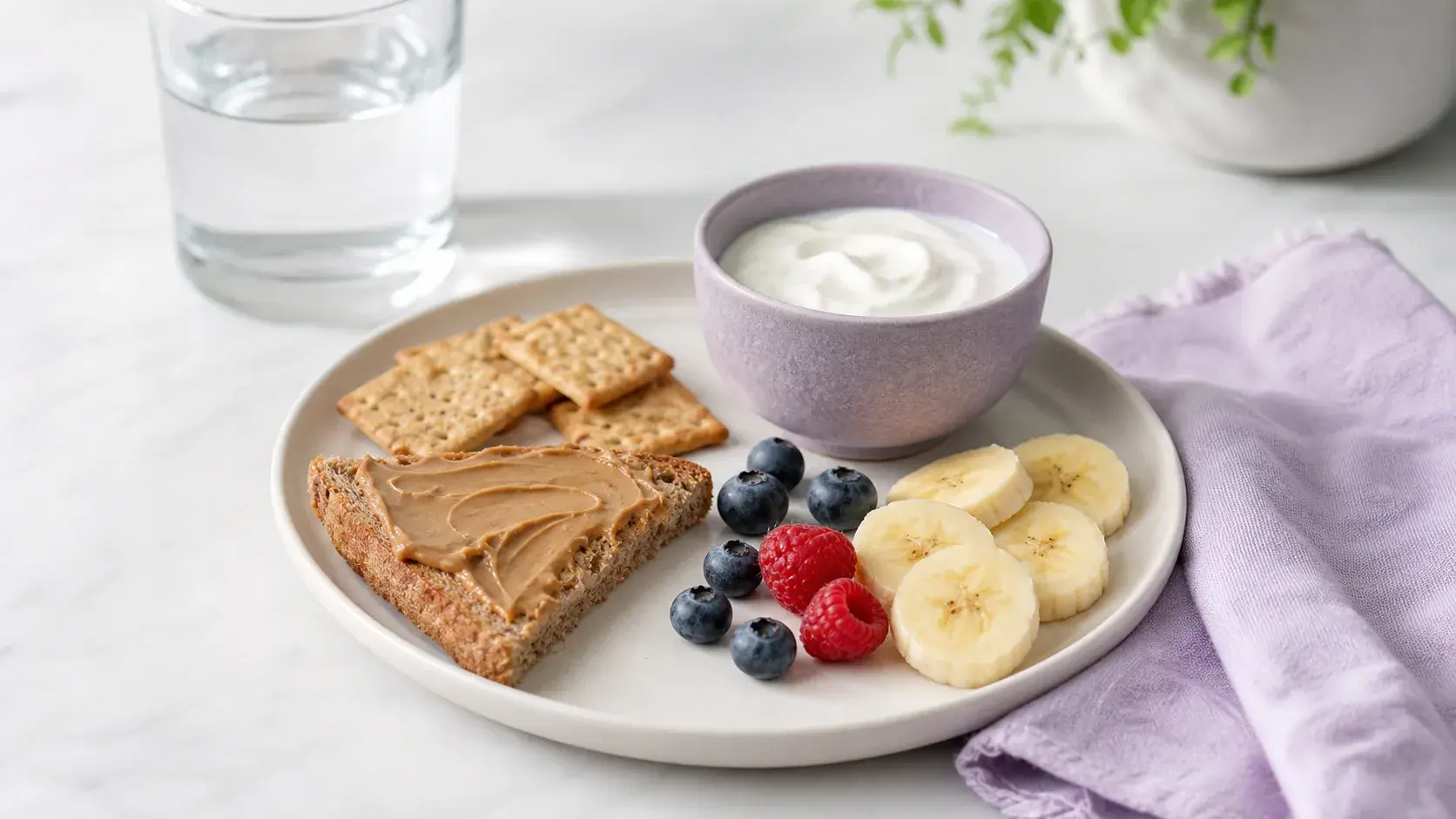
This can be as simple as half a piece of toast with peanut butter, a few bites of yogurt, or a small handful of trail mix. The point is to take the pressure off and think in small, manageable amounts rather than full meals.
Do Not Let Yourself Get Ravenous
An empty stomach can actually make nausea worse. That is why keeping easy-to-grab snacks nearby can make such a difference.
Some helpful options include:
- Nuts
- Trail mix
- Peanut butter crackers
- Beef jerky
- Dry cereal
- Pretzels
- Saltine crackers
- Toast
- Applesauce
- Bananas
The best snack in this situation is usually the one that is easy to tolerate and easy to reach for. If eating feels hard, convenience matters.
Prioritize Protein Whenever You Can
Protein helps stabilize blood sugar and keeps you fuller longer, but if nausea is high, it does not have to look like a huge piece of meat or a full plated meal. The goal is simply to work protein in where possible.
Sometimes that means a few bites instead of a full serving. That still counts.
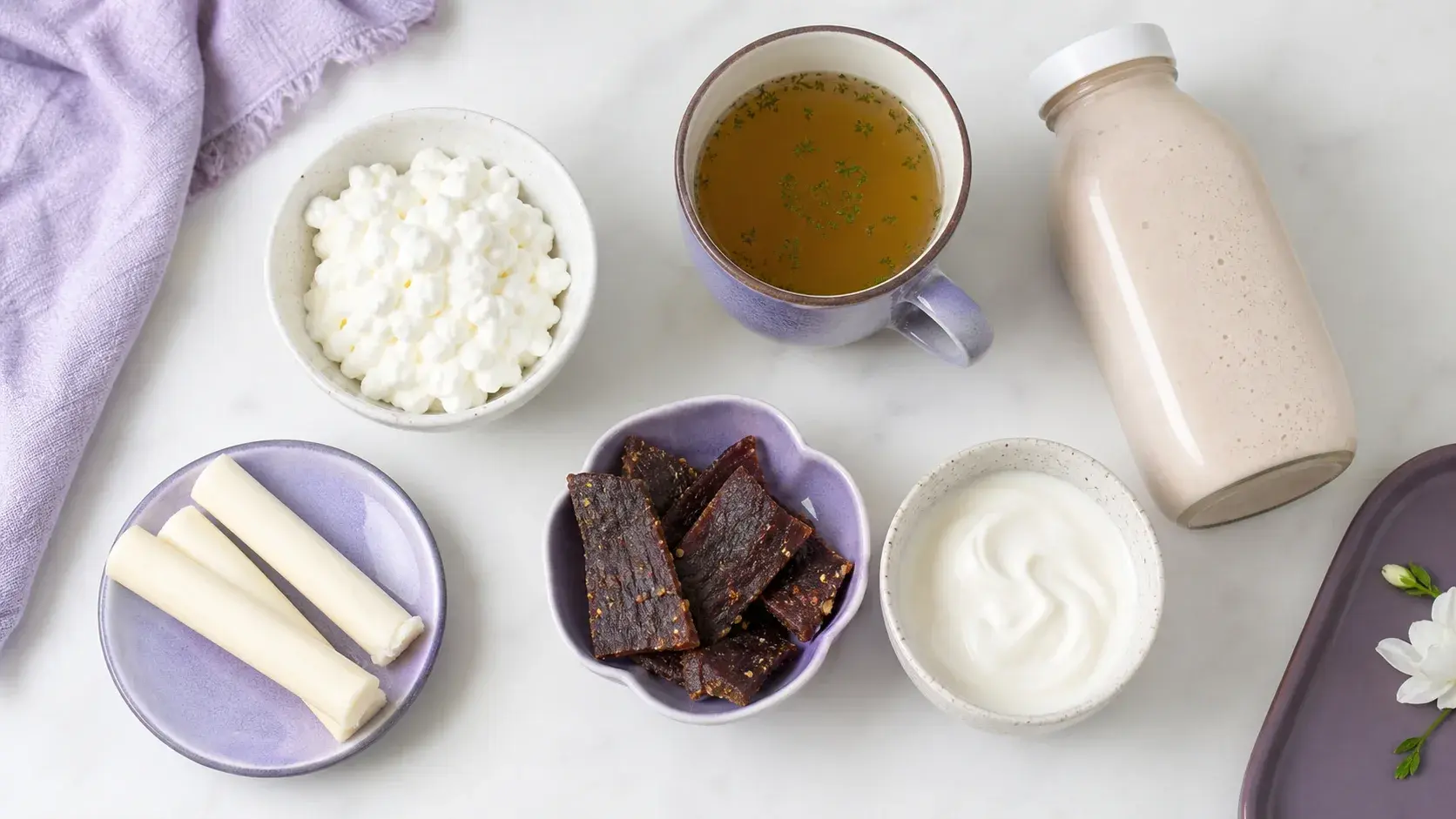
Try foods that are often easier to tolerate, such as:
- Bone broth
- Cottage cheese
- Eggs
- Beef or turkey jerky
- Greek yogurt
- String cheese
- Protein smoothies
- Fairlife milk
- Rotisserie chicken
- Peanut butter on toast
- Tuna or chicken salad with crackers
If one protein source sounds terrible, move to the next. Nausea can make food preferences change quickly, so flexibility helps.
Sip Calories If Eating Feels Impossible
Sometimes drinking is easier than chewing. Smoothies can be a great way to sneak in protein, fruit, healthy fats, and even spinach without feeling like you are eating a full meal.
This is often one of the easiest ways to get nutrition in when solid food feels overwhelming. A smoothie does not have to be complicated to be helpful. Even something simple with milk, protein powder, fruit, and peanut butter can go a long way.
If blending something up feels like too much effort, there are some great ready-to-drink options in convenience stores and grocery stores. On days like this, convenience is not cheating. It is a strategy.
Stay Hydrated
Dehydration can make nausea even worse, so fluids matter just as much as food. If plain water is not appealing, try:
- Ice chips
- Sparkling water
- Electrolyte drinks
- Lemon water
- Ginger tea
- Broth
- Popsicles made with electrolyte drinks
Some people find that cold fluids go down more easily than room-temperature ones. Small sips throughout the day are often better tolerated than trying to drink a large amount all at once.

Eat Foods Cold or at Room Temperature
Hot foods tend to have stronger smells, which can trigger nausea. Cold foods like smoothies, yogurt, fruit, pasta salad, sandwiches, or overnight oats are often much easier to tolerate.
This is an easy tip to overlook, but it can help a lot. Sometimes it is not the food itself that sounds bad. Sometimes it is the smell. Choosing foods that are chilled, bland, or less aromatic can make eating feel much more possible.
Lower the Bar and Focus on What Is Doable
If nausea is high, this is not the time to stress about having the “perfect” diet. It is okay if meals are smaller, simpler, or less balanced than usual for a day or two. The priority is to stay hydrated, eat what is tolerable, and get some protein and nutrients where possible.
That may mean crackers with string cheese, a protein shake instead of breakfast, or a few spoonfuls of cottage cheese and fruit instead of a full lunch. It does not have to be pretty to be effective.
Once nausea settles down, normal routines can come back into place. In the meantime, the goal is to support the body as best as possible with what feels manageable.
Q&A: Eating When You Feel Nauseous
What should I eat first if everything sounds awful?
Start small and bland. A few crackers, dry toast, pretzels, applesauce, banana, broth, or a few sips of a smoothie can be enough to get started. You do not need a full meal right away.
Is it okay if I mostly eat crackers for a day?
Yes, for a short period of time. If crackers are the only thing that feels doable, that is better than eating nothing. Once your nausea improves, try adding protein or fluids, such as string cheese, Greek yogurt, bone broth, or a protein shake.
Why does an empty stomach make nausea worse?
For some people, going too long without eating can make nausea feel more intense. Small snacks every few hours can help prevent that empty-stomach feeling and may make food easier to tolerate.
What if I cannot tolerate meat or heavy protein?
Choose gentler protein options. Greek yogurt, cottage cheese, eggs, bone broth, Fairlife milk, string cheese, smoothies, tuna salad with crackers, or peanut butter on toast may feel easier than a full serving of meat.
Are cold foods better for nausea?
They can be. Cold or room-temperature foods usually have less smell than hot foods, and strong smells can make nausea worse. Smoothies, yogurt, fruit, sandwiches, overnight oats, and pasta salad may be easier to tolerate.
What should I drink if water sounds terrible?
Try small sips of sparkling water, lemon water, electrolyte drinks, ginger tea, broth, or very cold water. Ice chips or electrolyte popsicles can also help if drinking feels difficult.
When should I contact my healthcare provider?
Reach out to your provider if nausea, vomiting, or diarrhea does not go away, if you cannot keep fluids down, or if you notice signs of dehydration such as dizziness, weakness, very dark urine, dry mouth, or infrequent urination. If you are taking a GLP-1 medication and have severe or persistent stomach pain, especially pain that may move to your back, contact your provider right away.
The Bottom Line
When nausea makes eating feel impossible, the goal is not perfect nutrition. The goal is to keep something coming in.
Small, frequent meals, easy protein options, simple snacks, liquids, and good hydration can go a long way. Even if intake looks a little different than usual, some nourishment is almost always better than nothing at all.
On hard days, doing the basics well is enough.
Ready for support on your wellness journey? Click here to see if GobyMeds is a good fit for you!
Disclaimer: This article is for informational purposes only and does not constitute medical advice. Always follow the guidance of your healthcare provider, especially if nausea is severe, persistent, or related to a medication.





.svg)