

When Your GLP-1 Dose Increase Feels Like Too Much: How to Listen to Your Body
Starting compounded semaglutide or compounded tirzepatide can be exciting. You may notice appetite changes, fewer cravings, quieter “food noise,” or early weight loss. So when it is time to increase your dose, it can feel like progress.
But sometimes, a dose increase comes with a surprise: more nausea, more constipation, more fatigue, more reflux, or that uncomfortable feeling of being too full too fast.
If that happens, it does not mean you failed. It may simply mean your body needs more time.
With GLP-1 medications, the goal is not to rush to the highest dose. The goal is to find the dose that helps you make progress while still allowing you to eat, hydrate, move, and live your life.
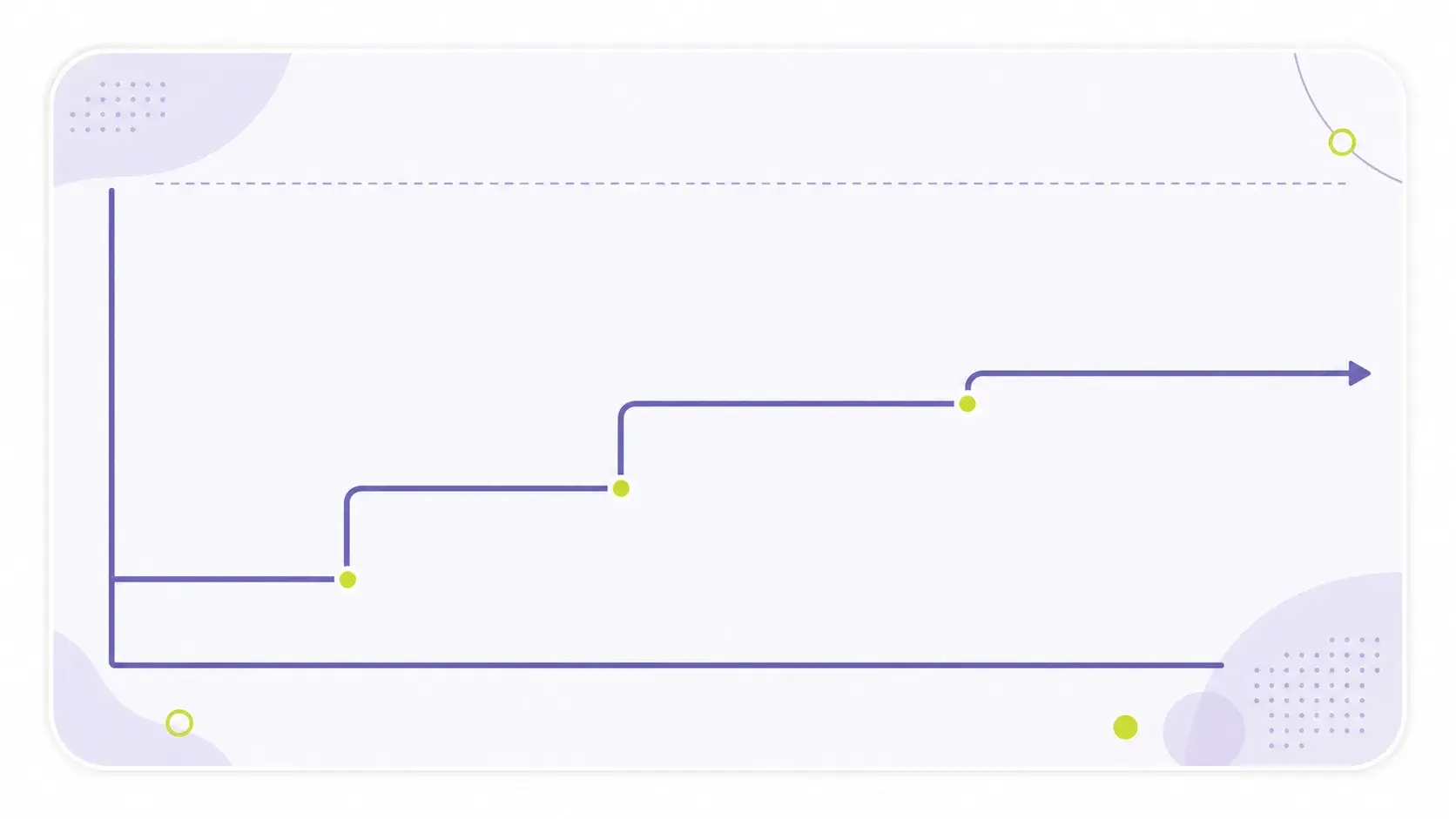
Why Symptoms Can Increase When Your Dose Goes Up
Semaglutide and tirzepatide affect appetite, digestion, and fullness signals. They can help you feel satisfied sooner and may slow how quickly food leaves the stomach. That is part of why they can be helpful for weight management.
But those same effects can also cause digestive symptoms, especially when starting treatment or increasing the dose.
Common symptoms may include:
- Nausea
- Constipation
- Diarrhea
- Reflux or heartburn
- Burping
- Bloating
- Feeling full quickly
- Lower appetite
- Fatigue
These symptoms are often most noticeable during the dose-escalation period. That is one reason GLP-1 treatment is usually started low and increased gradually over time.
In other words, titration is not just a formality. It is there to help your body adjust.
A Dose Increase Should Feel Manageable
A little adjustment can be normal. For example, you may feel slightly more full, mildly nauseous for a day or two, or less interested in food than usual.
But a dose increase should not make eating, drinking, or functioning feel impossible.
It may be a sign to slow down if you notice:
- You cannot eat enough protein or calories
- You are struggling to drink fluids
- Nausea lasts for several days or keeps getting worse
- You are vomiting
- Constipation becomes painful or persistent
- You feel weak, dizzy, or dehydrated
- You are skipping most meals because food feels impossible
- Your side effects are interfering with work, sleep, or daily life
These are signs your body may not be ready for the next step yet.
Staying at a Lower Dose Longer Is Not “Falling Behind”
This is one of the most important things to understand.
Staying at a lower dose for longer can be a smart, provider-guided decision. It does not mean the medication is not working. It does not mean you are doing anything wrong. It may mean your current dose is still giving you benefit, and your body needs more time before moving up.
Some people respond well at lower doses. Others need more gradual increases. Some may eventually increase later, once symptoms settle.
That is normal.
The “right” dose is not always the highest dose. The right dose is the one that supports progress while still feeling tolerable and safe.
When to Listen to Your Body
Listening to your body does not mean stopping or changing your medication on your own. It means paying attention to patterns and bringing them to your provider.
Ask yourself:
Can I hydrate normally?
If fluids are difficult, that matters. Dehydration can make nausea, constipation, fatigue, and dizziness worse.
Can I eat enough to support my body?
You do not need perfect meals, but you do need some nutrition. If you are barely eating, it may be time to discuss your dose.
Are symptoms improving or escalating?
Mild nausea that improves after a day or two is different from nausea that gets worse, lasts all week, or leads to vomiting.
Am I still able to function?
If side effects are affecting your daily life, your provider needs to know.
Was this dose increase too soon for me?
Some people simply need more time at each step.

What to Do If a Dose Increase Feels Too Strong
If your symptoms increase after moving up, the first step is to contact your provider. They may recommend staying at your current dose longer, returning to a previous dose, adjusting your schedule, or using symptom-management strategies.
Do not increase again just because the calendar says it is time.
Helpful strategies may include:
- Eating smaller meals more often
- Prioritizing protein in small amounts
- Avoiding greasy, heavy, or very large meals
- Drinking fluids slowly throughout the day
- Adding electrolytes if intake is low
- Choosing cold or bland foods when nausea is high
- Addressing constipation early
- Avoiding alcohol if it worsens nausea or reflux
- Waiting to increase until symptoms are manageable
For many patients, the fix is not dramatic. It may simply be giving the body another few weeks before the next increase.
What Not to Do
When symptoms flare, it can be tempting to troubleshoot on your own. But with compounded semaglutide and tirzepatide, dosing instructions can vary by concentration, pharmacy, and syringe markings.
Avoid:
- Increasing your dose without provider approval
- Repeating a dose because you think it “did not work”
- Taking more medication to speed up weight loss
- Guessing between units, milligrams, or milliliters
- Using old instructions from a different vial or concentration
- Ignoring vomiting, dehydration, or severe abdominal pain
This is especially important with compounded medications because different pharmacies may prepare different concentrations. The number of “units” on a syringe does not always mean the same thing from one vial to another.
When in doubt, ask.
.webp)
When to Contact Your Provider Right Away
Contact your provider if you have nausea, vomiting, diarrhea, constipation, or abdominal discomfort that does not improve or feels severe.
Seek urgent medical guidance if you experience:
- Severe or persistent stomach pain
- Pain that moves to your back
- Repeated vomiting
- Signs of dehydration, such as dizziness, weakness, very dark urine, or not urinating much
- Fainting
- Symptoms of gallbladder issues, such as upper abdominal pain, fever, yellowing of the skin or eyes, or clay-colored stools
- Signs of an allergic reaction, such as swelling of the face, lips, tongue, or throat, trouble breathing, or severe rash
Side effects should not be ignored just because they are “common.” Common does not mean unimportant.
Progress Does Not Require Suffering
A common misconception is that stronger side effects mean the medication is working better.
That is not necessarily true.
You do not need to feel miserable for treatment to be effective. In fact, if side effects prevent you from eating protein, drinking fluids, moving your body, or staying consistent, pushing too fast can work against your long-term success.
Sustainable weight loss requires more than appetite suppression. It also requires hydration, nutrition, muscle preservation, sleep, and consistency.
A dose that makes all of those things harder may not be the best dose right now.
The GobyMeds Approach
At GobyMeds, we believe dose increases should be thoughtful, not rushed. Your treatment plan should account for your response, your symptoms, and your ability to maintain healthy habits.
If you are doing well at a lower dose, that matters.
If your symptoms spike after an increase, that matters too.
The goal is not to climb the dosing schedule as quickly as possible. The goal is to find a path that is effective, tolerable, and sustainable.
Ready to see if GobyMeds could help you on your wellness journey? Click here to see if you qualify today!
The Bottom Line
If symptoms increase when your compounded semaglutide or tirzepatide dose goes up, your body may be telling you to slow down.
That does not mean you failed. It does not mean you are behind. It may mean you need more time at a lower dose before moving forward.
Listen to your body, track your symptoms, and talk to your provider before making changes. With GLP-1 medications, the best dose is not always the highest dose. It is the dose that helps you make progress while still feeling well enough to take care of yourself.
FAQ
Is it normal to feel more side effects after increasing my dose?
Yes, some people notice more nausea, fullness, constipation, reflux, or fatigue after a dose increase. Symptoms are often more common during dose escalation. However, severe or persistent symptoms should be discussed with your provider.
Should I increase my dose if I am still losing weight at my current dose?
Not always. If you are making progress and tolerating your current dose well, your provider may decide that staying there longer makes sense.
Does more nausea mean the medication is working better?
No. Feeling worse does not automatically mean better results. The goal is effective appetite support with tolerable symptoms.
Can I stay at a lower dose longer?
Often, yes, if your provider agrees. Staying at a lower dose longer can help your body adjust and may reduce side effects.
What if I cannot eat after increasing my dose?
Contact your provider. Being unable to eat enough or drink fluids is a sign your dose may need to be reassessed.
Can I lower my dose on my own?
Do not change your dose without provider guidance. Your provider can help you adjust safely and avoid confusion, especially with compounded medications that may vary by concentration.
Why do compounded GLP-1 doses feel confusing?
Compounded medications may come in vials with syringe-based instructions, and concentrations can vary. “Units” are not the same as milligrams. Always follow the instructions for your specific vial and ask your provider or pharmacy if anything is unclear.
Sources
- FDA: Dosing errors associated with compounded injectable semaglutide products
https://www.fda.gov/drugs/human-drug-compounding/fda-alerts-health-care-providers-compounders-and-patients-dosing-errors-associated-compounded - FDA: Concerns with unapproved GLP-1 drugs used for weight loss
https://www.fda.gov/drugs/postmarket-drug-safety-information-patients-and-providers/medications-containing-semaglutide-marketed-type-2-diabetes-or-weight-loss - DailyMed: Wegovy prescribing information
https://dailymed.nlm.nih.gov/dailymed/drugInfo.cfm?setid=ee06186f-2aa3-4990-a760-757579d8f77b - DailyMed: Zepbound prescribing information
https://www.dailymed.nlm.nih.gov/dailymed/fda/fdaDrugXsl.cfm?setid=487cd7e7-434c-4925-99fa-aa80b1cc776b
Disclaimer: This article is for informational purposes only and does not constitute medical advice. Compounded semaglutide and compounded tirzepatide are not FDA-approved. These medications should only be used by prescription under the guidance of a licensed healthcare provider.




.svg)