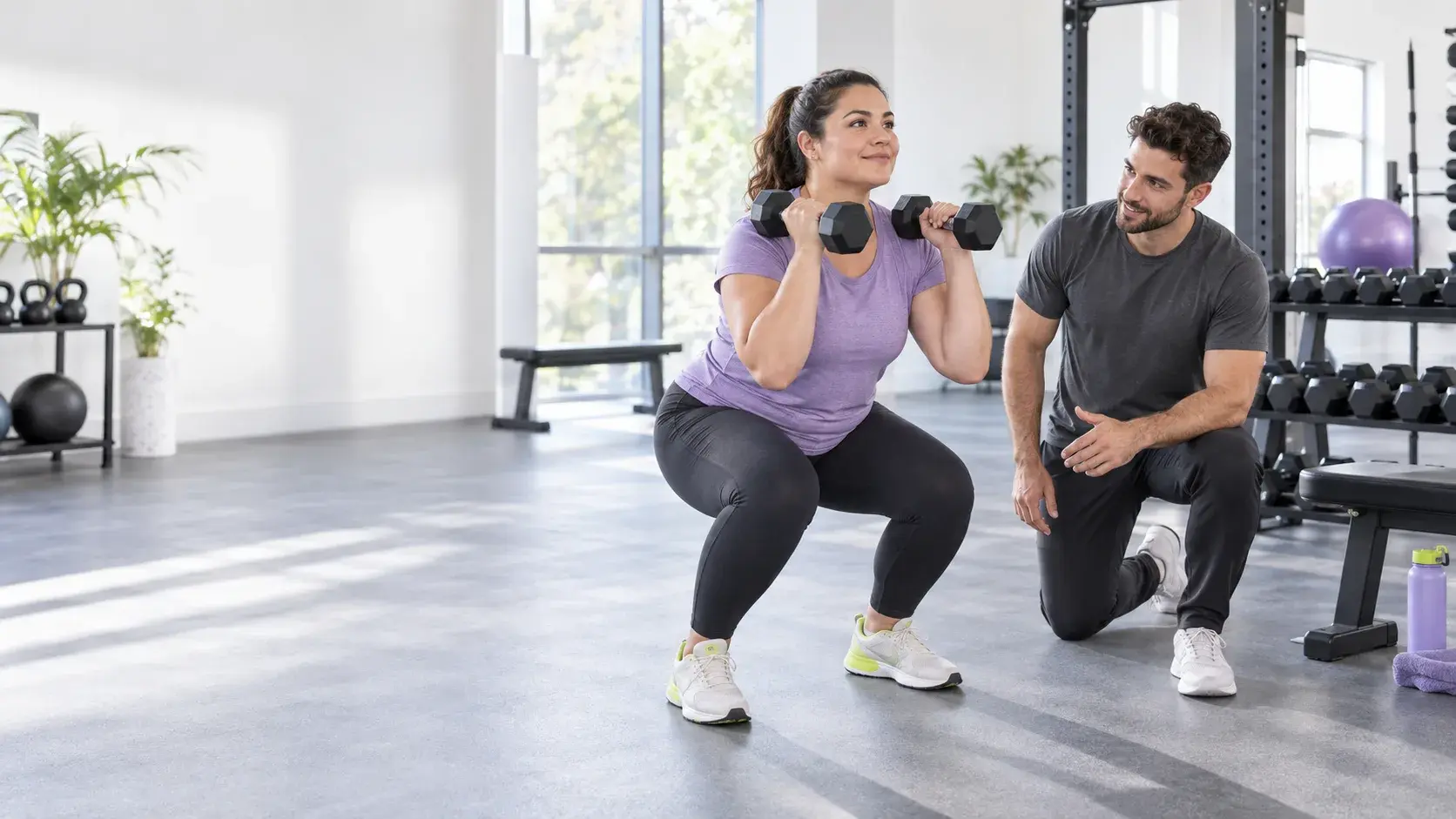
Starting a new workout plan? Here's how to use progressive overload to increase training gradually and give your body time to adapt.
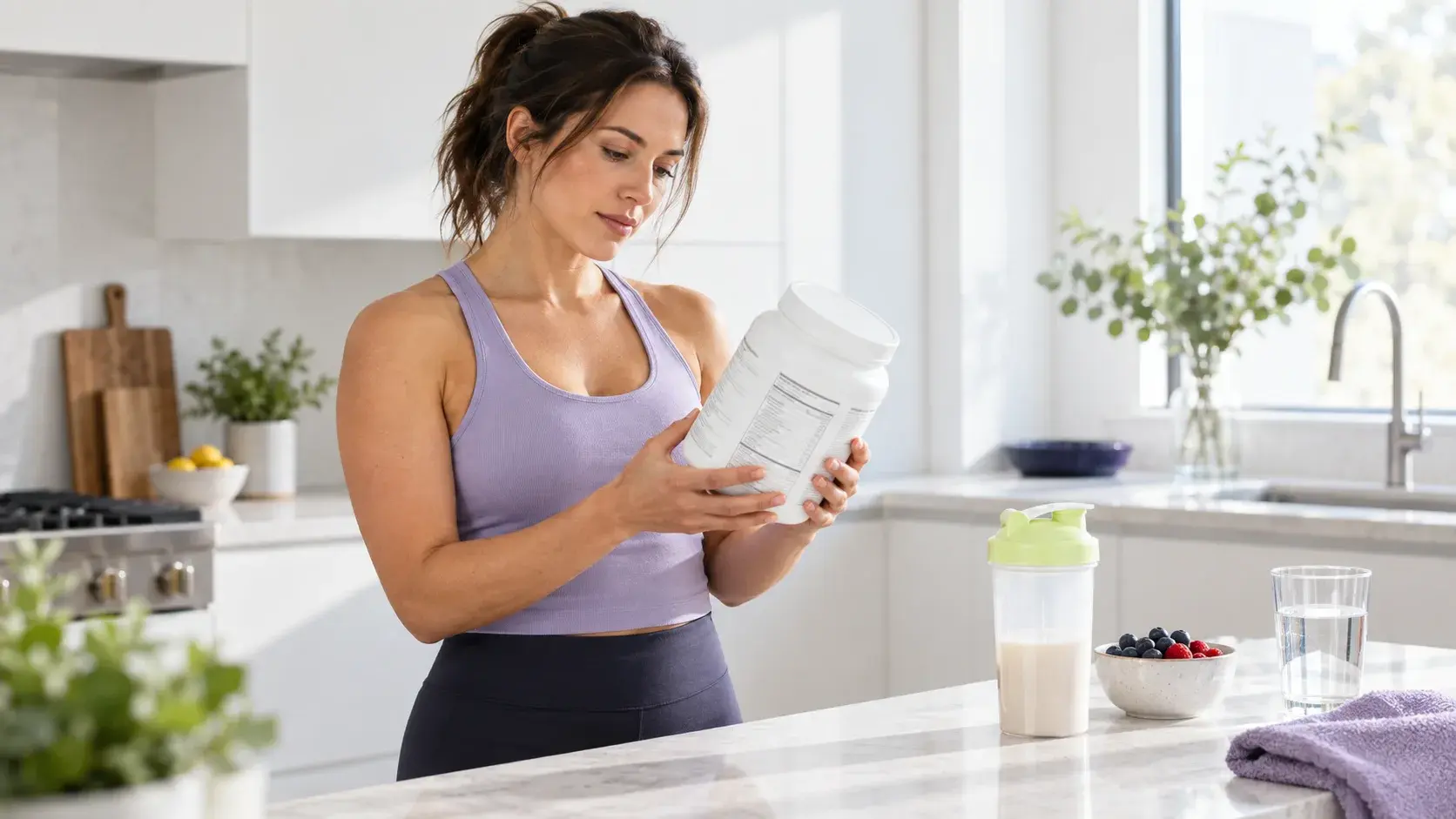
Protein shakes can be a helpful tool for meeting protein goals, but they’re not required. Learn when to use them and how to choose a good powder.
Meta description: Losing weight on GLP-1 medications can also mean losing muscle. Learn how resistance training and protein can help preserve strength, support healthy aging, and improve body composition during weight loss.
Should you track your fitness progress? Learn when tracking can boost motivation, what to measure beyond the scale, and how to keep progress tracking simple and sustainable.
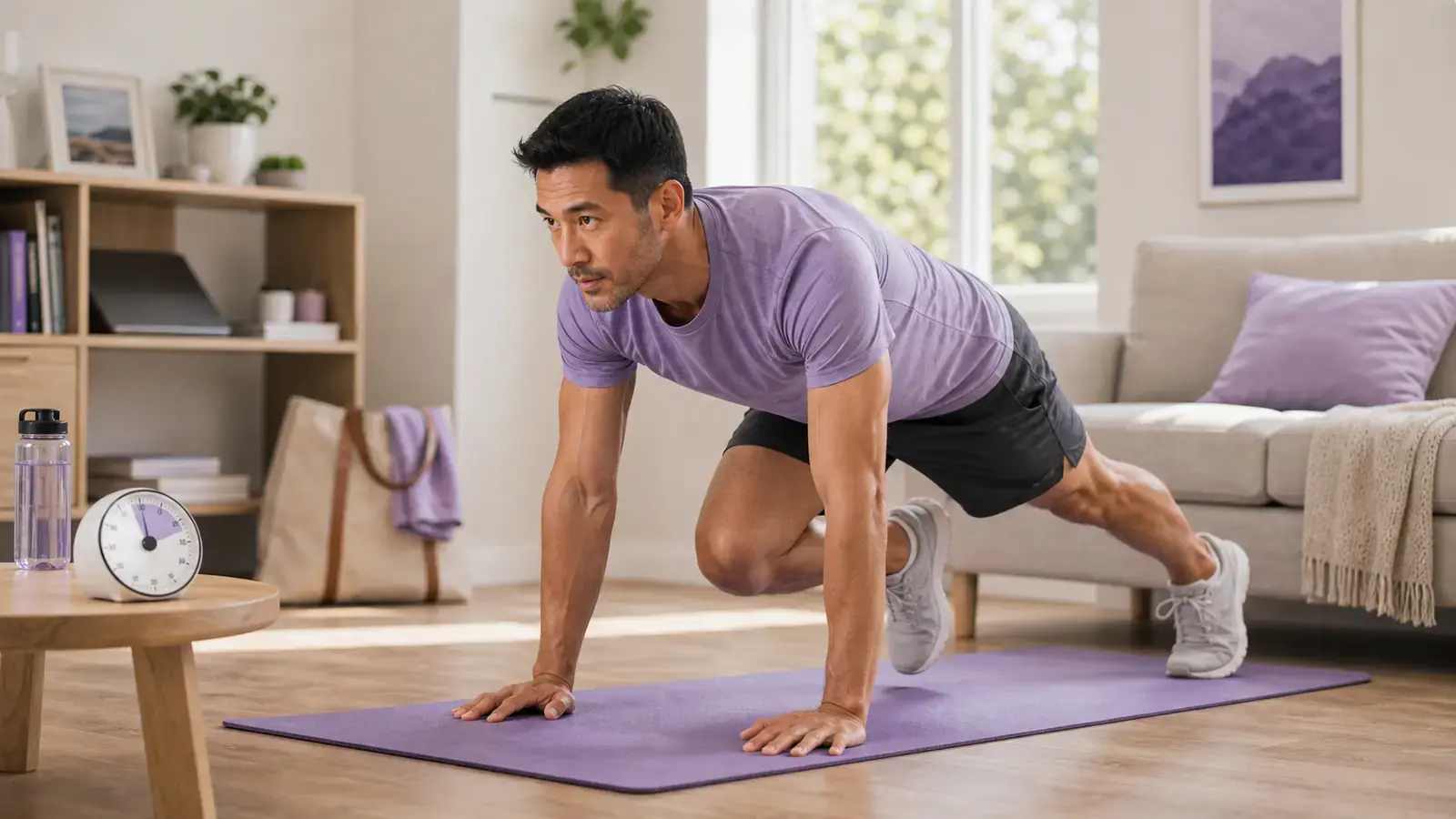
Busy season? Learn how to adjust your exercise routine when life gets hectic, why maintenance still matters, and how to stay consistent without burning out.
Learn why rest days are essential for muscle growth, recovery, injury prevention, and long-term fitness progress. More workouts are not always better.
Learn how to tell normal post-workout soreness from a possible injury, including warning signs, the warm-up test, and when to seek help.
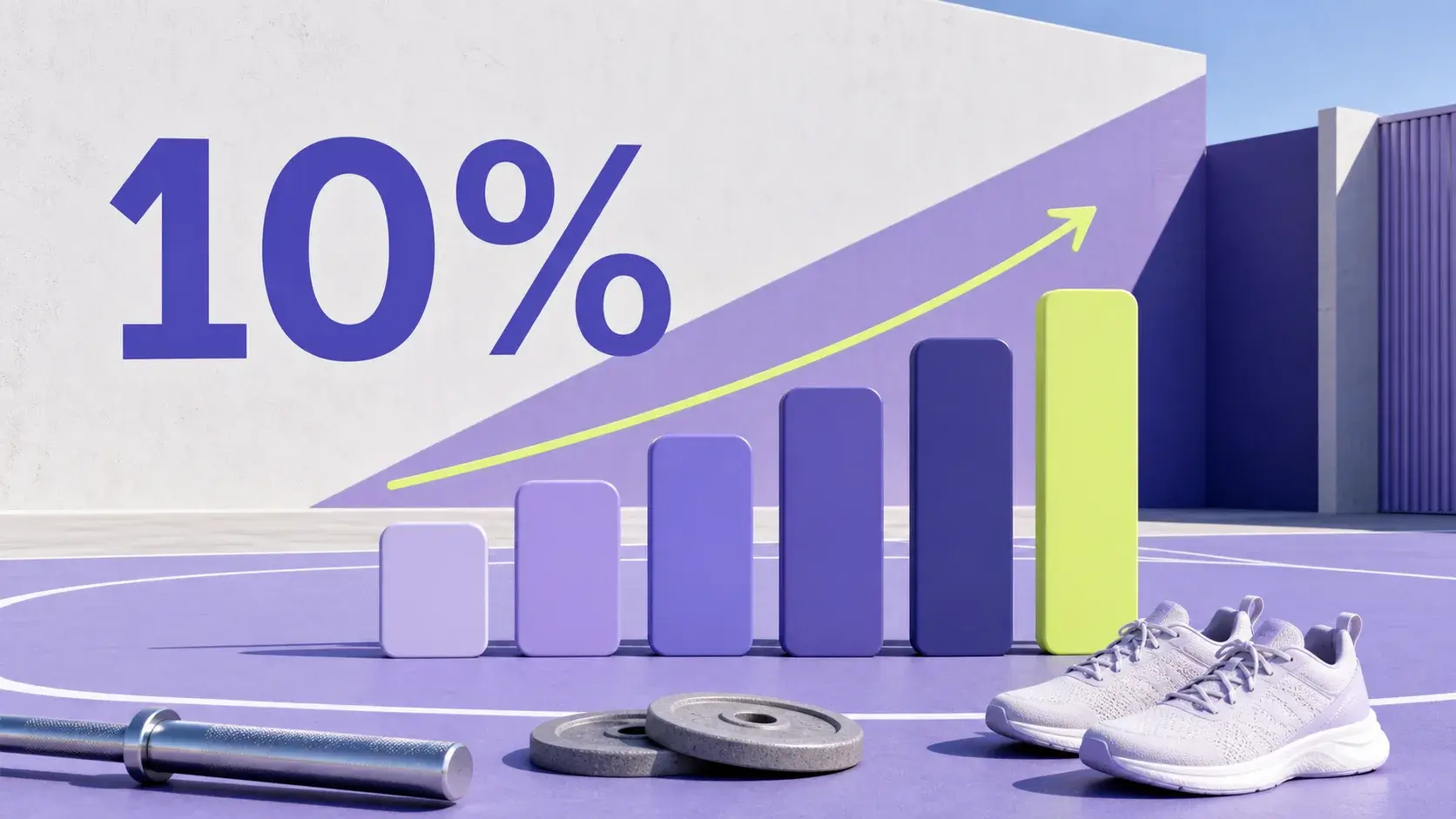
Learn how progressive overload helps build strength, why doing too much too soon can increase injury risk, and how the 10% Rule can help.
Do you need sports drinks for every workout? Learn when water is usually enough, when electrolytes may help, and how to keep hydration simple.
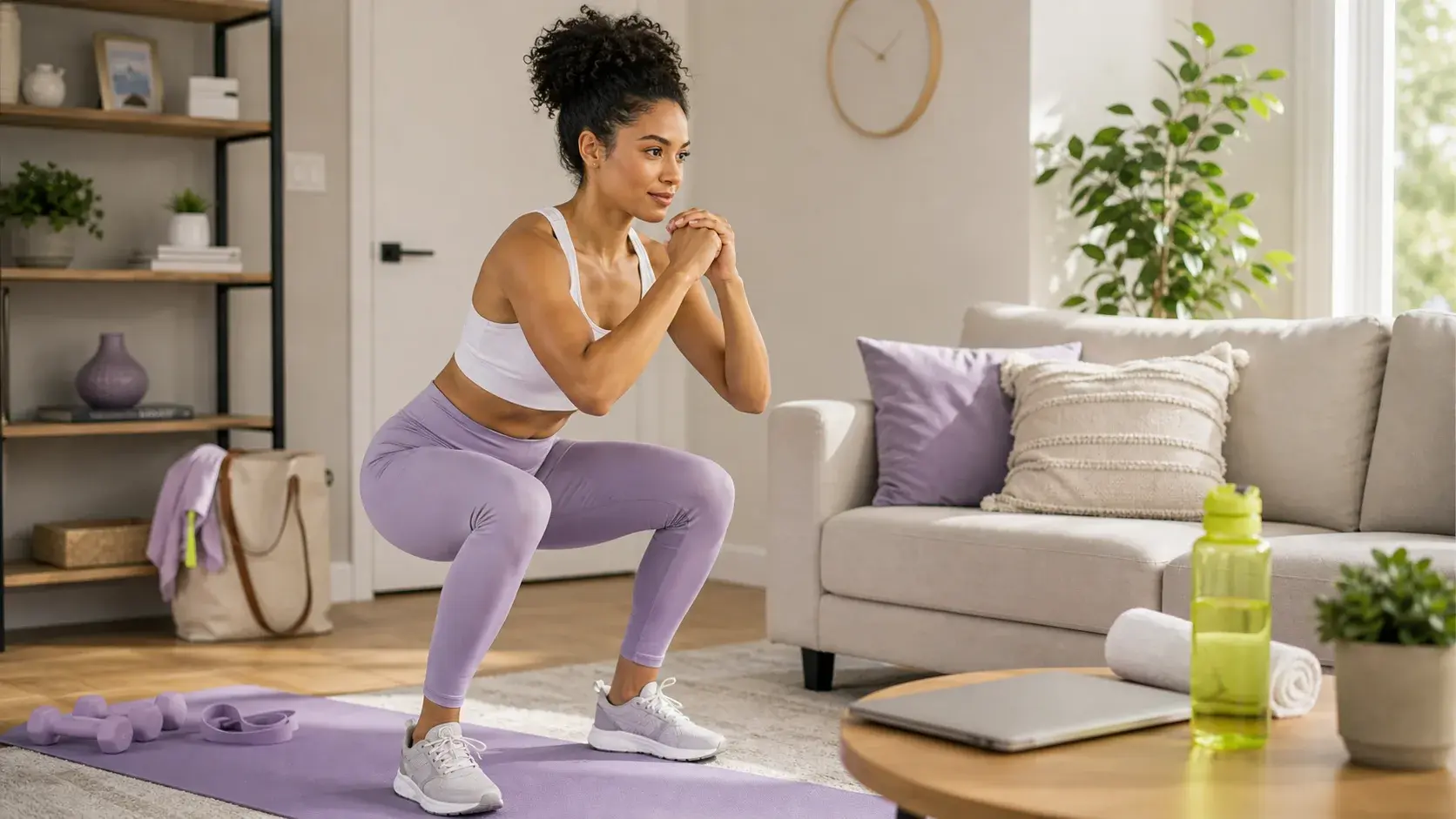
Short on time? Learn why squats, deadlifts, and overhead presses may be the most functional exercises you can do in just 10 minutes.
If you only have 20 minutes to exercise, cardio versus weights may be the wrong question. Learn why resistance cardio can help you build strength and improve fitness at the same time.
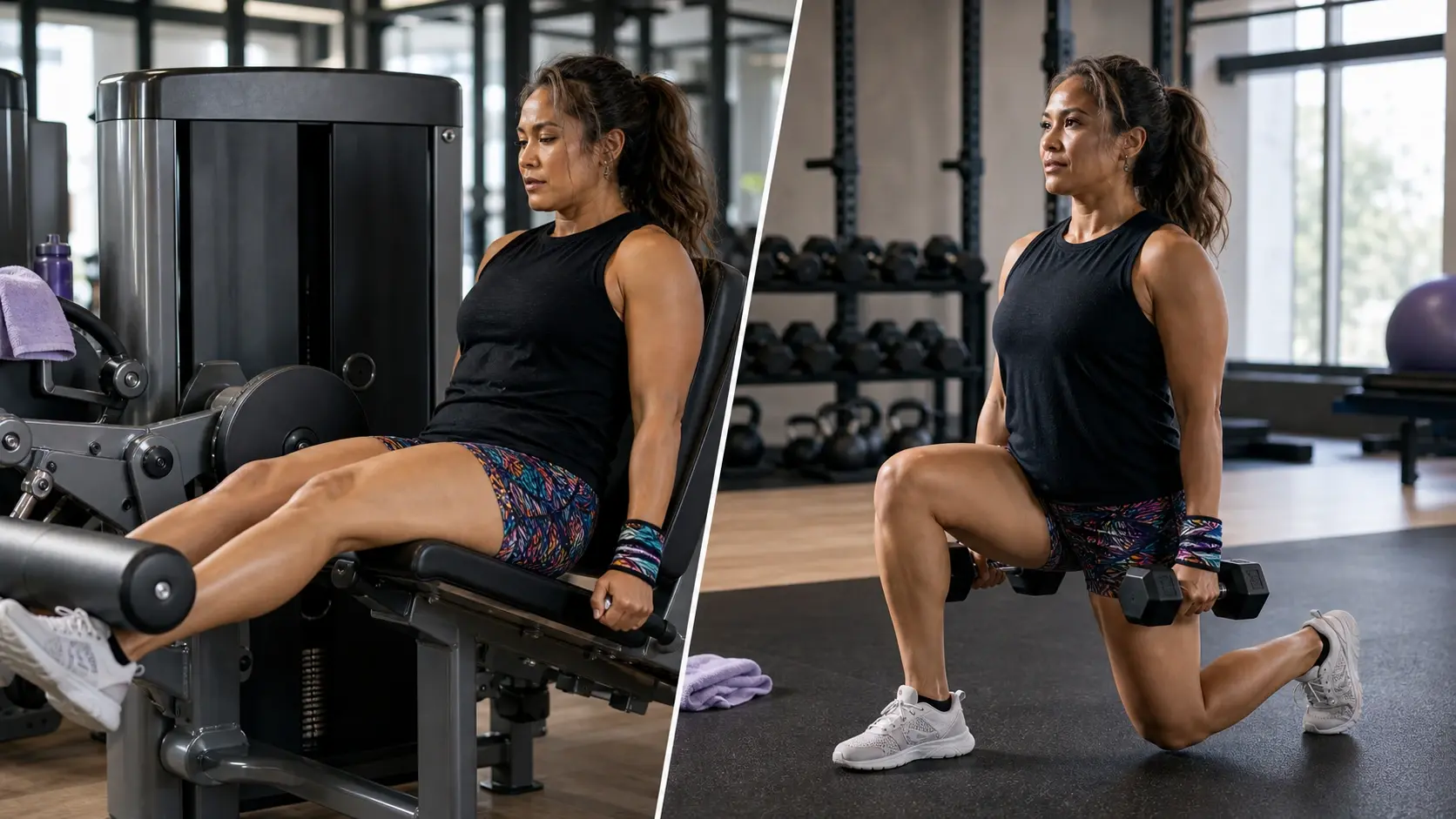
Free weights and machines both have a place, but free weights often build more usable strength through stability, control, and better real-world carryover.



.svg)